


Affordable Spanish Cities Short Breaks and Where to Stay Tips
The soft morning light hitting a whitewashed wall and the distant sound of a café shutter opening mark the beginning of a perfect Spanish escape. There is a specific pleasure in arriving at a destination where the pace slows down immediately, allowing the traveler to breathe and simply exist in the moment. Choosing the right base is the most critical part of this experience, as the neighborhood often defines the entire mood of the trip. Whether it is a balcony overlooking a narrow alley or a room within walking distance of the shoreline, finding affordable Spanish cities short breaks allows for a realistic balance between exploration and genuine relaxation.
Why a short escape to Spain works for slow travel
Spain is often perceived as a land of high-energy festivals and crowded monuments, but the true magic lies in its ability to support a slower pace. For those seeking a short break, the goal is often to escape the noise of daily life rather than to tick off a long list of tourist attractions. The infrastructure in many mid-sized Spanish cities makes it easy to transition from the airport to a quiet hotel room without unnecessary stress.
Slow travel is about quality over quantity. Instead of visiting three cities in five days, choosing one affordable base allows you to discover the local bakery that only the neighbors know or spend an entire afternoon watching the world go by from a plaza. This approach reduces the friction of constant packing and unpacking, making the trip feel like a true holiday rather than a logistical challenge. The ease of planning in these cities makes them highly attractive for those who want a romantic yet realistic itinerary.
The mood of a relaxed Spanish getaway
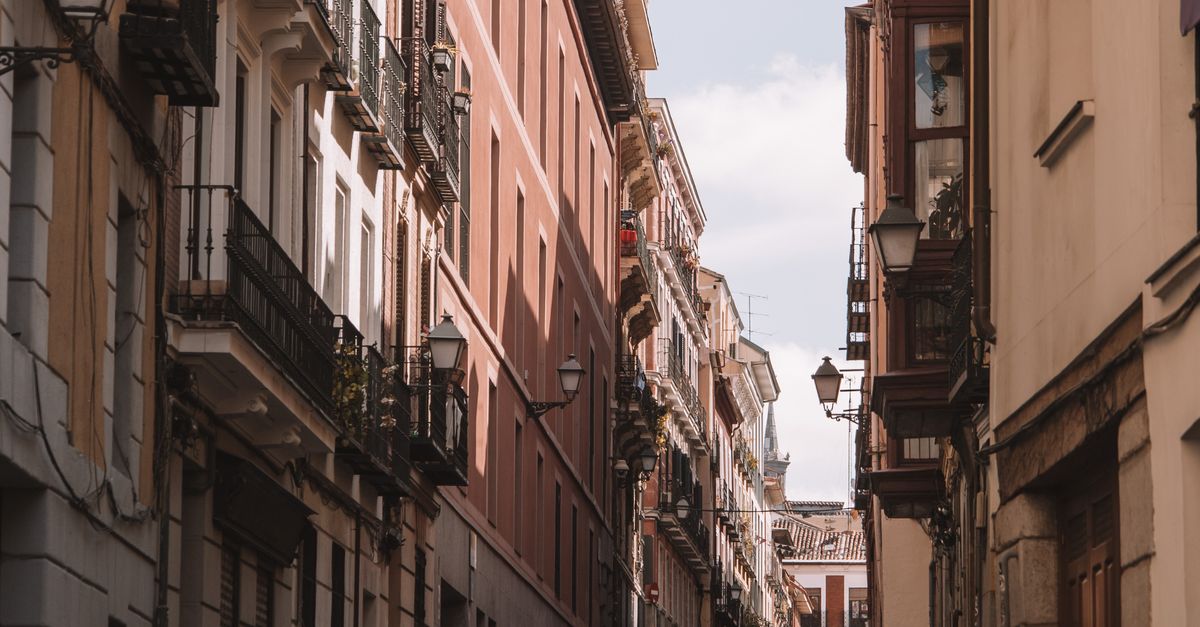
Imagine waking up to the smell of toasted bread and strong coffee filtering through a hotel balcony. The visual language of a relaxed Spanish stay is found in the details: the wrought-iron railings, the potted geraniums hanging from windows, and the wide, pedestrian-friendly streets that encourage wandering. There is a sense of calm that comes from knowing that the most important appointment of the day is simply a late lunch under a shaded canopy.

This mood is deeply connected to how the city is navigated. When you choose a stay in a walkable neighborhood, the city becomes your living room. You stop relying on maps and start relying on your senses. The pleasure of matching your hotel area to your travel style is what transforms a standard hotel stay into a curated experience. For some, this means the salty breeze of a coastal district; for others, it is the echo of footsteps in a medieval quarter.
Comparing hotel areas for affordable Spanish cities short breaks
When planning affordable Spanish cities short breaks, the choice of neighborhood is where the budget meets the experience. Spain offers diverse stay styles that cater to different emotional needs, and understanding the trade-offs between these areas is key to a successful trip.
Beach hotel areas are perfect for those who want a resort-style feeling without the isolation of a remote resort. These zones usually offer wider streets, more open air, and a steady flow of leisure-focused dining. They are ideal for families who need easy movement with strollers or solo travelers who find the sound of the ocean therapeutic. However, these areas can sometimes feel disconnected from the cultural heart of the city, requiring short taxi rides to reach historic sites.
Historic city centers offer an entirely different energy. Staying here means you are in the middle of the action, surrounded by architecture and shopping zones. The value here is in the convenience; you can step out of your hotel and be at a museum or a tapas bar within minutes. The trade-off is often smaller room sizes and narrower streets that may be less convenient for those with heavy luggage or mobility issues.
Residential districts often provide the best value for those on a budget. These areas are where the local dining districts thrive, offering more authentic food at lower prices. While they lack the immediate glamour of the seafront or the center, they provide a quiet sanctuary that fits the slow travel ethos perfectly.
Practical booking checks for a smooth stay
Securing a room is more than just finding the lowest price. In Spain, the distinction between room categories can be significant. For example, a standard room in a historic building might be smaller than expected, while a suite in a modern beach hotel might offer the space a family needs. It is always advisable to check current rates and room dimensions before finalizing a payment.

Another critical check is the arrival setup. Many smaller, affordable boutique hotels have limited reception hours. For those arriving on late flights, confirming the check-in process is essential to avoid waiting in the lobby. Additionally, checking the proximity of the hotel to public transport or parking zones can prevent unexpected costs and stress upon arrival.
Many travelers find it helpful to look through hotel reviews by traveler type to see which areas provide the best balance of quiet and convenience. Reading experiences from other solo travelers or families can reveal if a neighborhood is truly as calm as the photos suggest or if it becomes too noisy during the evening peak.
Essential planning checklist for your stay
To ensure your short break remains relaxing, keep these practical points in mind during the planning phase:
- Verify if the hotel area is pedestrian-only, which may affect how you transport your luggage.
- Check the breakfast options and whether they are served in-room or in a common area to plan your morning.
- Confirm the air conditioning or heating status, as older buildings in Spanish cities vary greatly in climate control.
- Review the cancellation policy to allow for flexibility in case your short break dates shift.
- Check for nearby grocery stores or pharmacies if you are staying in a residential area to ensure basic needs are met.
Finding the right fit for solo travelers and families
The suitability of a Spanish city often depends on the traveler's persona. Solo travelers generally benefit from the simplicity of planning in mid-sized cities. For them, a hotel in a dining district is often the best choice, as it provides a safe and social environment where dining alone feels natural and easy.
Families, on the other hand, require a different set of priorities. Family-friendly movement is easier in beach areas or modern extensions of the city where the sidewalks are wider and the hotels often have more spacious family rooms. The focus for families is usually on the fit of the accommodation—ensuring there is enough room to breathe and that the hotel is located near a park or a quiet plaza where children can move freely.
For couples seeking a romantic but realistic pace, a mix of both can work. A few nights in the historic center for the atmosphere, followed by a couple of nights in a beach-side hotel, provides a comprehensive experience of the city's dual nature without feeling rushed.
FAQ
When is the best time for a short break in Spain?
Spring and autumn are generally the most pleasant times for short visits. During these seasons, the weather is mild, and the crowds are thinner, which supports a slower travel pace. This also means that hotel areas are quieter, making it easier to find affordable options that still offer a high quality of experience and comfort.
Is it better to stay in a hotel or an apartment for short breaks?
Hotels are often better for those who want a seamless experience with cleaning and concierge services, which simplifies planning. Apartments are ideal for families who need a kitchen and more space. When choosing, consider whether you prefer the service of a hotel or the independence of a local apartment to match your trip style.
How do I know if a hotel area is too noisy?
Check the map to see if the hotel is located directly above a plaza or next to a main nightlife street. Reading recent guest reviews specifically mentioning noise levels is the most reliable way. Choosing a hotel a few streets away from the main hub often preserves the convenience while ensuring a quiet night's sleep.
Choosing your perfect Spanish base
The success of a short escape depends on the alignment between your expectations and your environment. Whether you are drawn to the salt-air breeze of a beach hotel area or the timeless charm of a cobblestone street, the goal is to create a sanctuary that supports your need for rest. It is a reminder that the journey is not just about the destination, but about where you lay your head at the end of the day.
Before making a final decision, travelers should compare hotel areas, current rates, room category, and booking conditions. Comparing current hotel options on Agoda can provide a clear visual and financial comparison of different neighborhoods, helping you choose the one that fits your traveler persona best without any pressure.
