

London Hotel Areas Compared for First Time Visitors
London is a massive sprawl where the distance between two seemingly close points on a map can mean a forty minute commute. For those visiting for the first time, the primary challenge is balancing the desire to be near the bright lights of the West End with the reality of hotel prices and noise levels. Selecting the right London hotel areas can determine whether your trip feels like a seamless exploration or a constant struggle with the Tube. The goal is to find a base that minimizes transit time while maximizing access to the landmarks that make the city iconic.

The Balance Between Convenience and Cost
The most common dilemma for first-time visitors is whether to pay a premium for a central location or save money by staying further out. In a city as large as London, convenience is not just about luxury; it is about time management. Staying in a central district allows you to return to your room for a break between sightseeing blocks, which is especially valuable for families or those with limited stamina.
However, the trade-off is often room size. Central hotels are notorious for having very small rooms compared to those in residential suburbs. When planning a short trip, the time saved on commuting usually outweighs the lack of extra space. The key is to decide if your priority is a spacious room for relaxing or a strategic location that puts the city at your doorstep.
Comparing Different London Hotel Areas
The West End is the heartbeat of the city, encompassing areas like Soho and Covent Garden. This is the most convenient choice for those who want to be within walking distance of theaters, shopping, and major galleries. While it is the most expensive and loudest option, it removes the need for complex transit for most evening activities.
Bloomsbury offers a distinct contrast. It is a quieter, more academic neighborhood home to the British Museum. It remains highly central but feels more residential and peaceful. It is often a better fit for travelers who want a central base without the constant noise of the tourist crowds.
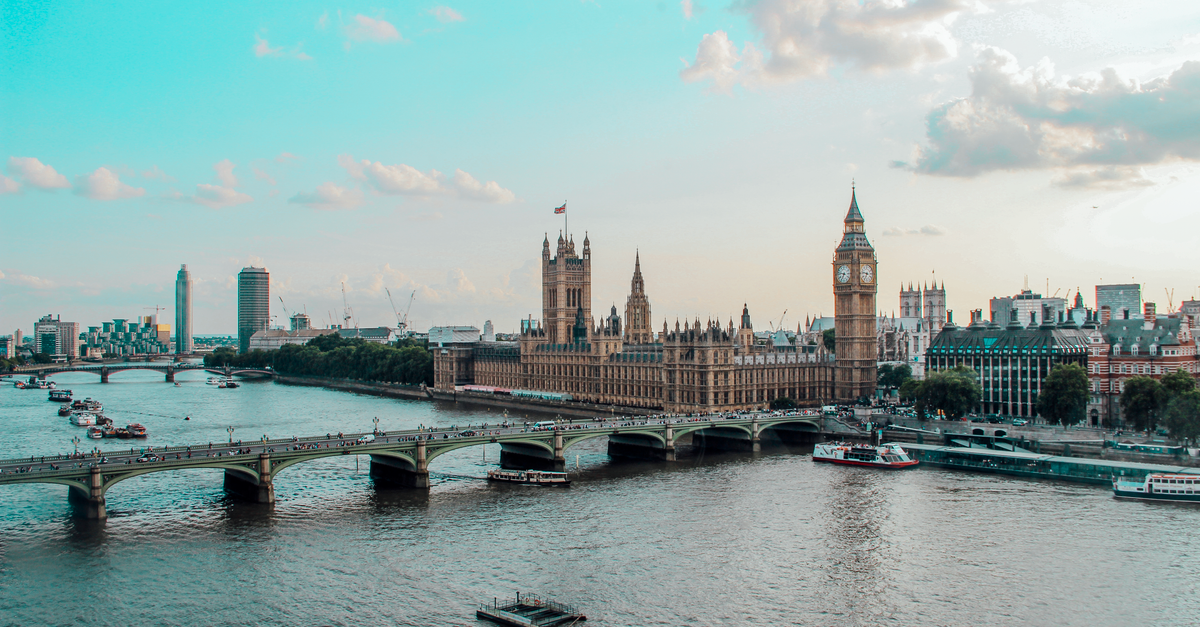
South Bank is ideal for visitors who prefer a scenic atmosphere. Staying near the Thames provides immediate access to the London Eye and Tate Modern. It is a very walkable area, though hotel options can be more limited to larger chains compared to the boutique variety found in the West End.
Kensington and Chelsea are excellent for those visiting the museums of South Kensington or seeking a more upscale, village-like feel. While slightly further from the absolute center, these areas are well-connected and offer a more relaxed pace of life.
Planning Your Movement and Trip Length
For a first-time visit lasting three to five days, staying in a central hub is highly recommended. When the trip is short, every hour spent on the Tube is an hour lost at a museum or landmark. A central base allows for a more flexible itinerary where you can easily pivot your plans based on the weather or energy levels.
If the trip extends beyond a week, exploring outer zones becomes more feasible. This allows for a change in pace and often a better value for money. When planning a multi-city tour, travelers often evaluate whether a central hub or a convenient airport hotel guide is more appropriate for their arrival schedule to reduce initial stress.
Understanding the Tube zones is crucial. Most tourist attractions fall within Zone 1. Staying within or on the edge of Zone 1 ensures that your daily movement is predictable and relatively fast.
Experiences Worth Prioritizing by Location
Choosing your base should align with your primary interests. If shopping at Oxford Street or catching a West End show is the priority, then Soho or Covent Garden are the most logical choices. You avoid the late-night commute and can enjoy the city's nightlife more freely.

For those focused on history and art, Bloomsbury or South Kensington provide immediate access to some of the world's greatest collections. These areas allow you to start your day at a museum before the largest crowds arrive, making the experience much more enjoyable.
If you prefer the riverside vibe and a more modern feel, the South Bank allows you to walk along the river to reach the City of London and the Tower of London, blending outdoor exercise with sightseeing.
Practical Hotel Booking Checklist
Before confirming a booking, it is important to look beyond the photos. London hotels vary wildly in their practical offerings, and small details can significantly impact your stay.
- Check the actual square footage of the room to avoid surprises.
- Confirm if air conditioning is available, as many older buildings do not have it.
- Verify the walking distance to the nearest Tube station using a map.
- Read recent guest reviews specifically mentioning street noise and soundproofing.
- Confirm if the hotel has an elevator, especially in converted Georgian townhouses.
Who This Location Planning Guide Suits
This approach to planning is best for guests who value their time more than hotel facilities. If you plan to spend 12 hours a day exploring and only use your hotel for sleeping and showering, then prioritizing the neighborhood over a gym or a pool is the smartest move.
It is also highly suitable for first-time visitors who may feel overwhelmed by the London transport map. By staying in a well-connected area, you reduce the anxiety of getting lost and make the city feel more manageable.
FAQ
Which area is best for a first-time visitor to London?
For most first-timers, Bloomsbury or the West End are the most practical choices. Bloomsbury offers a balance of peace and central access, while the West End puts you in the middle of the action. Both areas minimize transit time to the most famous landmarks and provide plenty of dining options.
Is it necessary to stay right next to a Tube station?
While not strictly necessary, staying within a ten-minute walk of a station is highly recommended. London is vast, and while walking is great, the Tube is the primary way to move efficiently. Proximity to a station reduces fatigue and makes your arrival and departure with luggage much easier.
Are hotels in central London always more expensive?
Generally, yes, but the value is found in time saved. You can find cheaper options by moving toward Zone 2 or 3, but you must calculate the cost of additional transport and the value of your time. Sometimes a slightly more expensive central room saves more in stress and transit fees.
Choosing Your Final Base in London
Deciding where to stay in London requires a realistic look at your itinerary and your tolerance for city noise versus transit time. Whether you choose the energy of the West End or the calm of Bloomsbury, the goal is to create a base that supports your exploration rather than hindering it.
Before making a final payment, travelers should compare hotel areas, current rates, room category, and booking conditions. It is often useful to compare current hotel options on Agoda to see how different neighborhoods fit into your budget. Always verify the cancellation policy and room size to ensure the stay matches your expectations for a successful first trip to the UK capital.
