

South Korea Cultural City Hotels and Stay Inspiration for Your Trip
South Korea offers a unique blend of high-tech urbanism and deep-rooted tradition, making it an ideal spot for those seeking a trip that balances active exploration with moments of serenity. Whether it is a family stroll through a preserved village or a quiet morning in a modern high-rise, the variety of South Korea cultural city hotels ensures that every traveler can find a home base that resonates with their specific mood. The city rhythm here is surprisingly accessible, allowing visitors to shift from the bustle of neon-lit shopping districts to the silence of a temple courtyard within minutes. It is a destination that supports both fast-paced sightseeing and slow, intentional movement, provided the stay is chosen carefully.

The Appeal of a Balanced Cultural Escape
Choosing a destination like South Korea allows travelers to experience a society where the futuristic and the ancient coexist without friction. For many, the draw is the ability to engage in simple daily rituals—like visiting a local bakery in the morning or walking through a public park—while being surrounded by architecture that tells a story of centuries past. This accessibility makes the country particularly welcoming for those who prefer a scenic but manageable pace of travel.
The emotional hook of this experience lies in the contrast. One day might be spent navigating the efficient subway systems of a metropolis, and the next might involve a slow walk through a neighborhood of tiled roofs and stone walls. This duality means that your choice of accommodation is not just about a place to sleep, but about which version of the city you want to wake up in. The feeling of finding a place that matches both your mood and your budget is one of the most rewarding parts of the planning process.
Embracing the Local Rhythm and City Movement
Travel in South Korean cities is characterized by a seamless flow. For international visitors, the transport systems are generally intuitive, making city-focused planning relatively simple. The visual language of a trip here often involves family walks through tree-lined alleys, easy meals at neighborhood eateries, and a general sense of safety and order that reduces the stress of navigating an unfamiliar environment.

When planning the pace of the trip, it is helpful to consider the local rhythm. Mornings are often quiet and reflective, while evenings bring a surge of energy in the commercial districts. By selecting a stay that aligns with this flow, travelers can avoid the exhaustion that often comes with overly packed itineraries. Simple movement—walking from a hotel to a nearby cafe or a small museum—becomes a primary part of the experience rather than just a means to an end.
Comparing South Korea Cultural City Hotels and Traditional Hanoks
The most significant decision for any traveler visiting South Korea is the choice between a modern hotel and a traditional hanok. This decision fundamentally changes the texture of the trip and influences how you interact with the city.
Modern hotels provide the predictability and comfort that many international travelers rely on. These stays typically offer elevators, standardized bedding, and comprehensive amenities that make them highly family-friendly. They are often located near major transport hubs or in the heart of shopping districts, offering a strategic advantage for those who want to maximize their time and minimize walking distances.
On the other hand, hanoks—traditional Korean houses—offer an immersive cultural experience. Staying in a hanok means waking up to the sight of wooden beams and paper doors, and often sleeping on traditional floor bedding (yo). These accommodations are usually clustered in historic districts, allowing guests to feel the heartbeat of old Korea. However, they may lack some of the modern conveniences found in larger hotels, such as spacious luggage storage or soundproofing.
For those still undecided, comparing detailed stay options in different neighborhoods can help narrow down the perfect location. The decision often comes down to whether the traveler prioritizes the atmosphere of the neighborhood or the efficiency of the room amenities.
Practical Planning and Booking Checks for Your Stay
When browsing through South Korea cultural city hotels, it is important to look beyond the photos. Because the styles of accommodation vary so wildly, certain booking checks are essential to avoid surprises upon arrival.
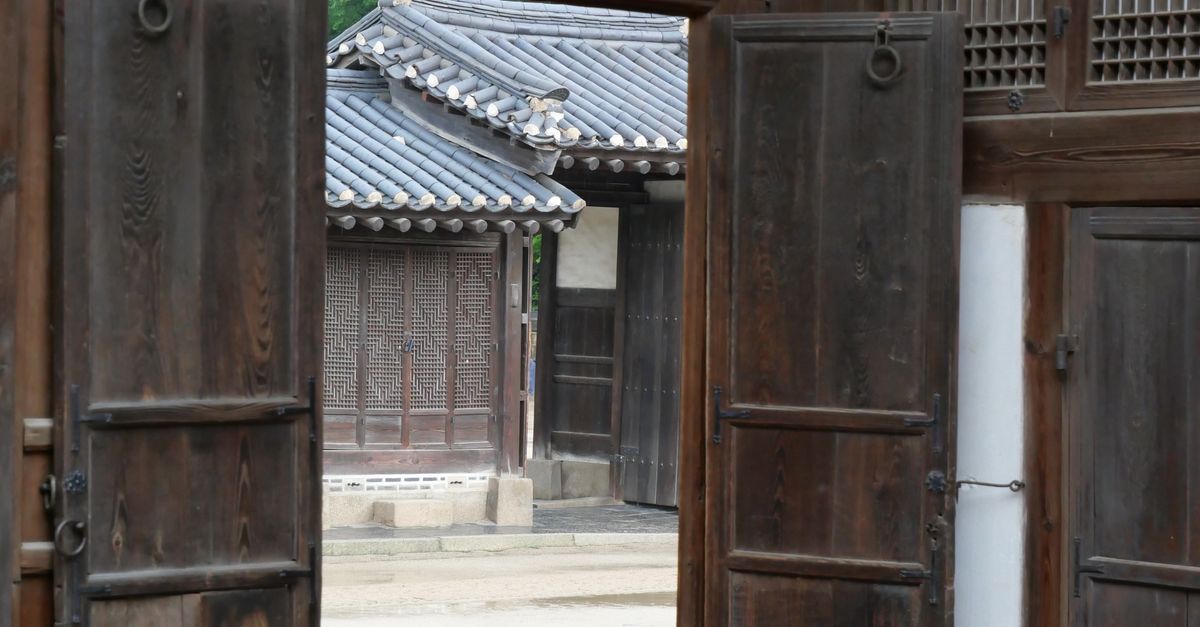
First, verify the bedding arrangement. In many traditional stays, beds are not elevated. For travelers with mobility issues or those who struggle with floor-sleeping, this is a critical detail. Second, check the bathroom configuration. Some smaller, authentic hanoks may have shared facilities or very compact bathrooms compared to the expansive suites of modern hotels.
Location is the third pillar of planning. A hotel in a modern district might be closer to the airport train, while a stay in a cultural village might require a short taxi ride or a long walk. It is always recommended to check current rates, room categories, and the specific booking conditions—such as cancellation policies—before finalizing a payment, as availability in popular cultural zones can fluctuate seasonally.
Essential Stay Considerations Checklist
To help determine which stay style fits your current trip needs, consider the following points before booking:
- Mobility Needs: Do you require an elevator and Western-style beds, or are you comfortable with stairs and floor bedding?
- Proximity to Transport: Is the hotel within a 10-minute walk of a subway station or a primary bus stop?
- Neighborhood Vibe: Do you prefer the quiet, scenic atmosphere of a heritage village or the vibrant energy of a commercial center?
- Family Requirements: Does the room category provide enough space for children or multiple adults without feeling cramped?
- Amenity Priorities: Are a fitness center, 24-hour room service, and English-speaking concierge essential for your comfort?
Who Will Find This Travel Style Most Rewarding?
This destination and its diverse stay options are particularly well-suited for a few specific types of travelers. Families who enjoy slow-paced exploration will find the blend of accessible parks and cultural sites very rewarding, especially if they split their time between a modern hotel for convenience and a hanok for a unique experience.
Couples seeking a romantic or reflective escape may find that the quiet alleys of the cultural districts provide the perfect backdrop for their trip. Similarly, first-time visitors who want a comprehensive introduction to the country often benefit from this duality, using a modern base to explore the city's efficiency and a traditional base to connect with its history.
Ultimately, those who appreciate a destination that is scenic yet accessible—where you can find a high-end cafe right next to a 600-year-old wall—will find South Korea to be a perfect fit for their travel style.
FAQ
Is it common to stay in a hanok for a full trip?
While some travelers love the immersion, many find that staying in a hanok for a few nights is sufficient. Because traditional houses can be colder in winter and lack some modern luxuries, a hybrid approach—spending a few nights in a hanok and the rest in a modern hotel—often provides the best balance of culture and comfort.
Which areas are best for first-time visitors seeking culture?
Neighborhoods like Bukchon and Insadong are highly recommended for those wanting a cultural focus. These areas are filled with traditional architecture, tea houses, and galleries. However, these zones can be crowded, so choosing a hotel slightly on the perimeter of these districts can offer more peace while remaining within walking distance of the sights.
What should I check before booking a traditional stay?
Always check the room category to see if the bathroom is private or shared. Additionally, verify the heating system, as traditional Korean ondol (underfloor heating) is wonderful in winter but may feel different from standard HVAC systems. Reviewing recent guest comments about noise levels is also helpful, as traditional walls are often thinner than hotel walls.
Finalizing Your South Korea Stay Decision
Deciding where to stay in South Korea is a matter of aligning your accommodation with the mood of your trip. If your priority is seamless transport and high-end amenities, modern hotels in the city center are the logical choice. If you are looking for an emotional connection to the destination's heritage and don't mind a few trade-offs in convenience, a traditional hanok will provide memories that a standard room cannot.
As a practical next step, travelers should compare hotel areas, current rates, and room categories to ensure the space matches their actual itinerary. Comparing current hotel options on Agoda can provide a clear view of the available choices in both traditional and modern sectors. By carefully checking the booking conditions and location details, you can ensure that your stay enhances the overall rhythm of your cultural journey.
