

Ho Chi Minh City Hotel Areas Compared for Practical City Breaks
Ho Chi Minh City is a whirlwind of energy where the contrast between colonial architecture and towering skyscrapers creates a unique urban rhythm. For many travelers, the biggest challenge is not finding a room, but selecting the right neighborhood to avoid spending hours in traffic. The choice of Ho Chi Minh City hotel areas often depends on whether the visit is a quick stopover or a deeper exploration of Southern Vietnam. Understanding the layout of the city helps in aligning the hotel base with the daily movement, ensuring that the transition from the airport to the hotel is seamless and the walk to dinner is effortless.

How Trip Duration Influences Your Base
The length of a stay significantly changes the priority of a hotel location. For those visiting for only two or three days, staying in the absolute heart of the city is usually the most practical choice. When time is limited, reducing the commute to major landmarks like the Notre Dame Cathedral or the Central Post Office is more valuable than finding a quieter street or a cheaper rate.
For travelers staying a week or longer, the priority often shifts toward residential comfort and local authenticity. A hotel in a slightly quieter area allows for a better recovery between days of sightseeing. Those on longer trips might find that staying slightly outside the main tourist hub provides a more realistic view of city life and often leads to finding better value for the room size. The key is to balance the desire for quiet with the availability of reliable transport options like ride-sharing apps.
Comparing Ho Chi Minh City Hotel Areas by District
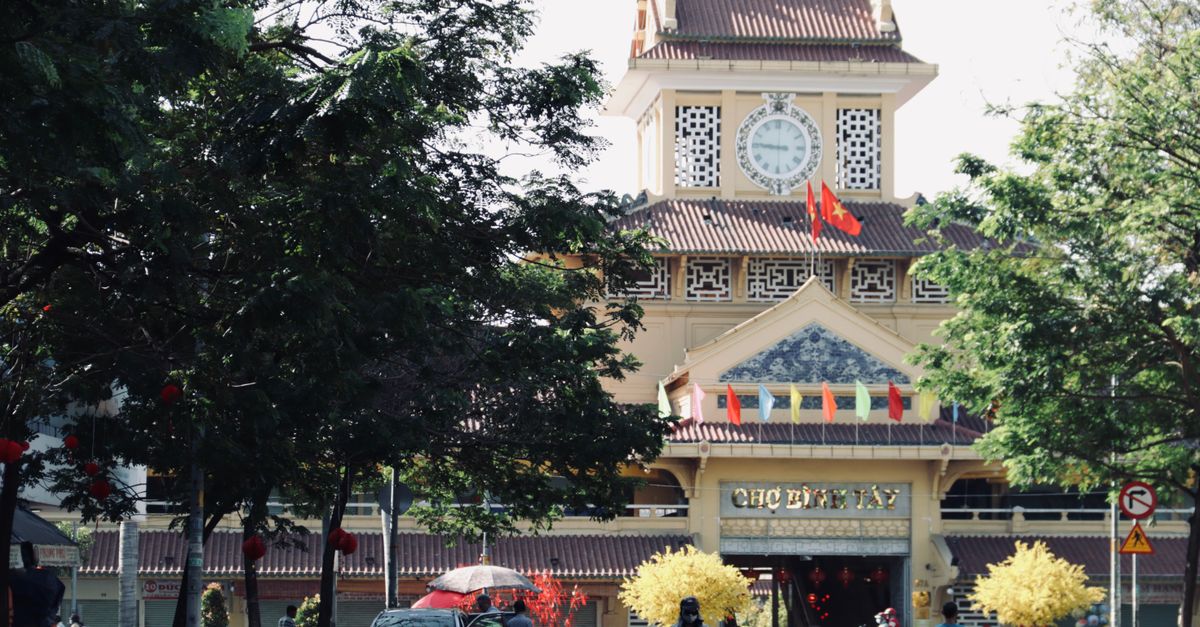
District 1 is the most common choice for first-time visitors. It contains the highest concentration of sights, shopping malls, and high-end dining. The area around Ben Thanh Market is particularly popular because it serves as a central node for transport and walking tours. However, this area is also the loudest and most crowded, which can be overwhelming for some guests. The main benefit here is the ability to reach most attractions on foot.
District 3 offers a more relaxed atmosphere while remaining very close to the center. It is known for its tree-lined streets, colonial villas, and a growing scene of independent cafes. This area is often a better fit for travelers who prefer a boutique experience or those who want to avoid the intense crowds of the main shopping streets. While you may need a short ride to reach the riverfront, the overall quality of sleep is often higher here.
District 4 is a smaller, denser area that has transformed into a street food destination. It is located just across the canal from District 1, making it a strategic choice for those who want to be near the action but prefer a more local, less polished environment. It is an excellent base for food-focused travelers who enjoy exploring narrow alleys and eating at open-air stalls, though the hotel options here are generally more modest than in the central districts.
Planning the Transition from Airport to Hotel
The journey from Tan Son Nhat International Airport to the city center can be one of the most stressful parts of the arrival process. Traffic in the city is unpredictable, and the distance to the main hotel areas can take anywhere from thirty to ninety minutes depending on the time of day. Planning this leg of the trip is essential to avoid overpaying for transport or getting lost in the terminal crowds.
Using reputable ride-sharing apps or pre-arranged airport transfers is generally more reliable than negotiating with independent drivers at the curb. Travelers should confirm their hotel address in a way that is easy for the driver to understand, perhaps by having a map screenshot ready. Since the city center is congested, choosing a hotel with a clear entrance or one located on a main road can make the drop-off process much smoother and less frustrating for both the guest and the driver.
Mapping Local Sights to Neighborhood Stays
When deciding on a base, it is helpful to map out the must-see attractions. The War Remnants Museum and the Independence Palace are located toward the edge of District 1 and the start of District 3. If these are the primary interests, a hotel in the western part of the center reduces travel time.
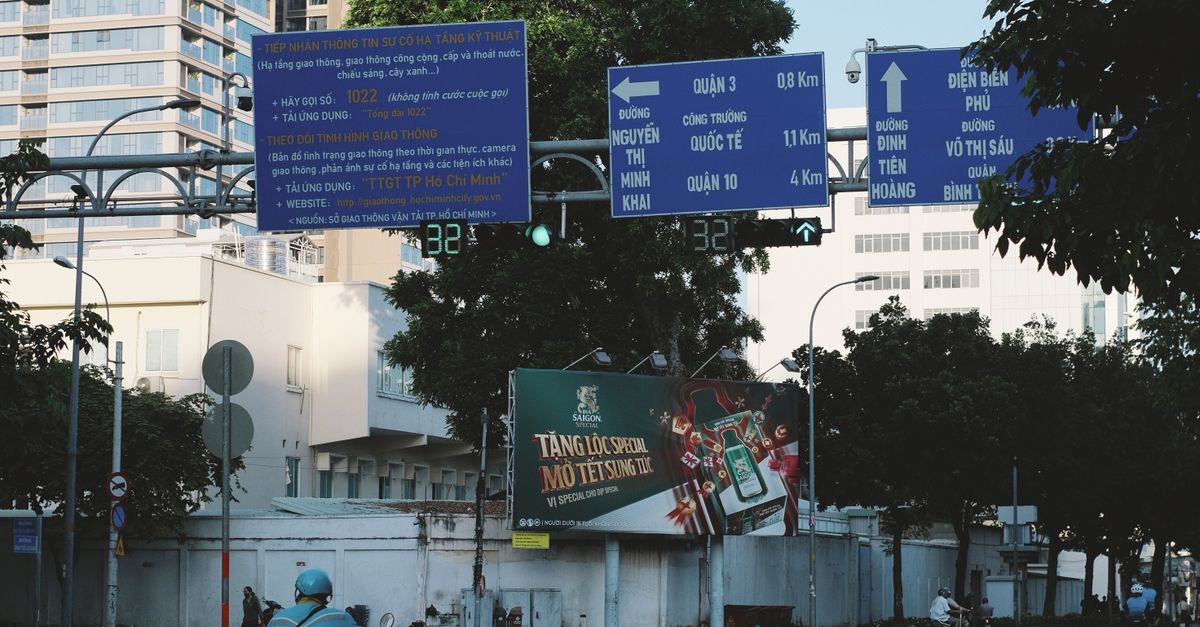
Conversely, those interested in the nightlife of Bui Vien or the shopping at Ben Thanh Market will find the eastern and central parts of District 1 most convenient. For those planning day trips to the Cu Chi Tunnels or the Mekong Delta, the specific neighborhood matters less than the hotel's proximity to easy pickup points for tour operators. Exploring different neighborhood options often leads travelers to look for detailed city hotel guides to refine their choice before confirming a booking.
Practical Booking Checks for Urban Hotels
City hotels in a dense metropolis like Ho Chi Minh City require a different set of checks than resort properties. Because the city is vibrant and loud, the physical position of the room can dictate the quality of the stay. It is important to look beyond the photos and read recent feedback regarding the environment.
- Check if the room has soundproof windows to block out the constant noise of motorbikes and horns.
- Verify if the room has an external window or if it is an interior room with no natural light.
- Confirm the air conditioning quality, as high humidity makes a reliable cooling system non-negotiable.
- Check the proximity to the nearest main road to ensure easy access for taxis and ride-sharing.
- Review the breakfast options to see if they offer local flavors or a standard international spread.
Matching Traveler Persona to the Right Area
The ideal location depends heavily on what the traveler values most. For the efficiency-seeker who wants to maximize every hour of a short city break, District 1 is the only logical choice. These guests prioritize walking distance to the Opera House and luxury shopping over silence or local charm.
The culture-seeker or slow traveler will likely find District 3 more appealing. This persona enjoys discovering a hidden gallery or a quiet bookstore and does not mind taking a five-minute ride to get to the tourist center. Meanwhile, the budget-conscious adventurer or food lover may find District 4 an exciting base that offers a raw look at the city's residential life without being too far from the main attractions.
FAQ
Is District 1 too noisy for a relaxing stay?
District 1 is the most energetic part of the city and can be very loud, especially near Ben Thanh Market or Bui Vien. However, many hotels on smaller side streets offer a peaceful retreat. To ensure a relaxing stay, look for properties that specifically mention soundproofing or request a room on a higher floor facing away from the main road.
How easy is it to get around if I stay in District 3?
Getting around from District 3 is very easy thanks to the prevalence of ride-sharing apps. Most trips to the heart of District 1 take only a few minutes and are very affordable. For those who prefer walking, some parts of District 3 are within a reasonable distance of major landmarks, though the heat often makes motorized transport a better choice.
Should I stay near the airport for a short layover?
If the layover is less than twelve hours, staying near the airport is practical to avoid city traffic. However, if there is at least a full day, it is better to stay in the city. The city center offers far more dining, shopping, and cultural experiences, and the transit time from the airport is a manageable trade-off for the convenience of being central.
Making Your Final Hotel Decision in Ho Chi Minh City
Choosing the right base in this dynamic city requires a balance between convenience and comfort. Whether the goal is to be in the center of the action in District 1, enjoy the greenery of District 3, or dive into the local food scene of District 4, the location will define the daily experience of the trip.
Before finalizing a reservation, travelers should compare various hotel areas, current rates, and specific room categories. It is also wise to check the booking conditions, especially regarding cancellation policies, as plans can change. Comparing current hotel options on Agoda can help in visualizing the exact street location and reading recent guest feedback to ensure the property matches the expected level of quiet and comfort.
