

Where to Stay in Seoul for First Time International Visitors
Seoul is a city where futuristic skyscrapers and neon-lit streets stand in striking contrast to ancient palaces and quiet temple gardens. For those arriving for the first time, the sheer scale of the metropolis can be daunting, and the decision of where to stay in Seoul often becomes the most critical part of the planning process. A well-chosen base does more than just provide a bed; it determines how much time is spent in traffic, how easy it is to find authentic dining, and whether the daily commute to major landmarks feels like an adventure or a chore. Understanding the layout of the city is the first step toward a practical and comfortable journey.
Defining the Value of Your Hotel Location
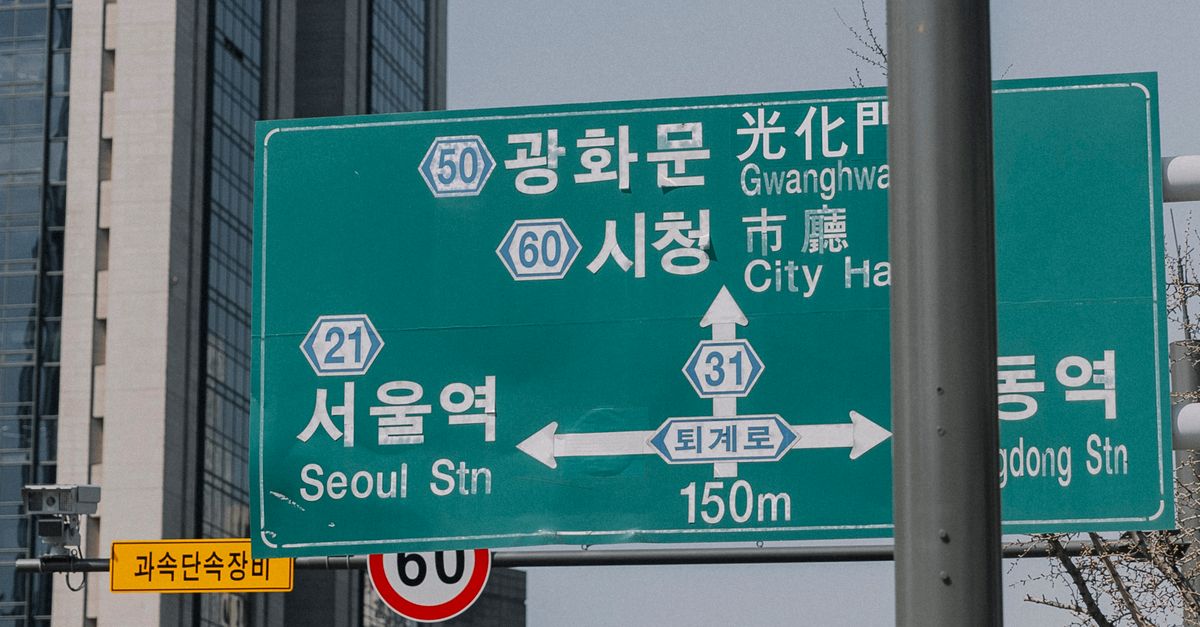
Choosing a hotel in Seoul is not merely about the price per night or the star rating of the property. The real value lies in the relationship between the hotel location and the traveler's daily itinerary. Seoul is divided by the Han River, with most first-time visitors focusing on the northern side, though the southern districts offer a different pace and style of luxury. For a short trip, staying near a major subway transfer point can save hours of transit time over a week.
Travelers often make the mistake of booking a hotel based on a photo of the room without considering the walk to the nearest station. In a city where the subway is the primary lifeline, a ten-minute walk can feel significant when carrying heavy suitcases or navigating through crowded shopping streets. Therefore, the primary goal of stay planning should be minimizing friction between the hotel door and the city's main attractions.
Comparing Popular Areas for Where to Stay in Seoul
Different neighborhoods in Seoul cater to different vibes and needs. Depending on whether you prioritize shopping, culture, or nightlife, your choice of district will change.

Myeongdong is widely considered the most convenient hub for first-time visitors. It is the heart of the shopping district and is famous for its street food markets. Most hotels here are geared toward tourists, meaning English proficiency is generally higher. It provides easy access to the N Seoul Tower and is centrally located for those who want to be in the middle of the action.
Hongdae is the youth center of the city, situated near several universities. This area is ideal for those who enjoy a vibrant nightlife, indie music, and creative cafes. The accommodations here range from boutique hotels to unique guesthouses. It is a great fit for travelers who prefer a less formal atmosphere and want to experience the modern, energetic side of Korean youth culture.
Insadong is the place for those seeking a traditional Korean experience. This neighborhood is filled with art galleries, tea houses, and shops selling traditional crafts. Hotels in this area tend to be quieter and are often located within walking distance of Gyeongbokgung Palace and Bukchon Hanok Village. It is a preferred choice for travelers who value culture and a slower pace of exploration.
Gangnam, located south of the river, represents the high-end, corporate, and modern side of Seoul. It is known for luxury shopping and a sleek urban landscape. While it is further from the traditional palaces, it is an excellent base for those visiting for business or those who prefer high-standard international hotel chains and expansive room sizes. Carefully reviewing detailed hotel area comparisons can help narrow the search for the right accommodation style.
Airport Access and City Movement Planning
Managing the transition from Incheon International Airport to the city center is a key part of the first-day experience. The Airport Railroad Express (AREX) is the most efficient way to reach Seoul Station, from where travelers can transfer to the local subway or take a taxi to their hotel. For those staying in Hongdae, the AREX all-stop train is a direct and cost-effective option.
Timing is also important. Seoul traffic can be unpredictable, especially during rush hour. If your hotel is located in a high-traffic area like Myeongdong or Gangnam, arriving via the subway is almost always faster than taking a taxi during the day. Travelers should purchase a T-money card immediately upon arrival at the airport or at any convenience store to ensure seamless movement across buses and trains.
For those planning a short trip of three to five days, staying within a 500-meter radius of a subway station is highly recommended. This reduces the physical toll of the trip and allows for more spontaneous exploration of the city's diverse neighborhoods.
Local Context and Evening Considerations
Seoul is a city that truly comes alive after dark. The dining culture often extends late into the night, with night markets and 24-hour eateries being common. When choosing where to stay, consider the evening environment. For example, Hongdae stays loud and busy until the early hours of the morning, which may not suit those who are sensitive to noise.
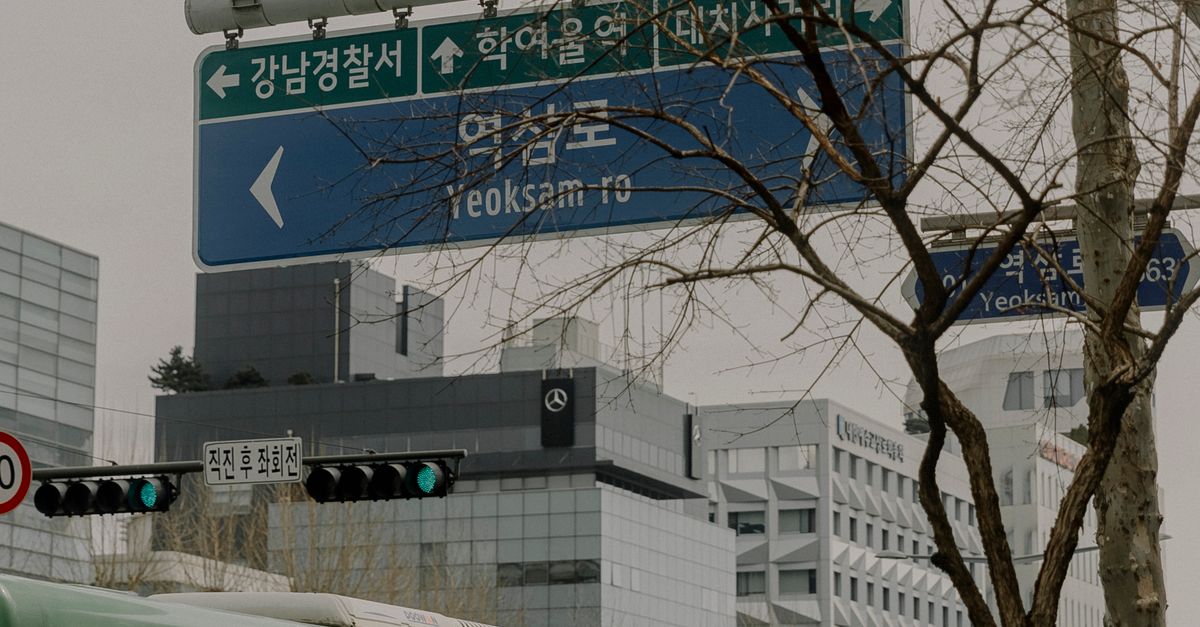
In contrast, Insadong becomes very quiet after the galleries close, providing a peaceful sanctuary. Myeongdong's street food stalls operate on a schedule, and while the area is bustling in the evening, the hotels themselves are generally well-insulated from the street noise. Understanding these local rhythms helps in choosing a room category and location that matches your sleep preferences and evening activity levels.
Practical Booking and Hotel Checklist
Before finalizing a payment for a hotel, international travelers should verify several practical details that are often overlooked in a quick booking process. Seoul hotels, especially in the center, can have vary widely in terms of space and amenities.
- Room size check: Many city-center hotels have very compact rooms. Check the square footage to ensure your luggage can be opened comfortably.
- Subway proximity: Use a map to verify the actual walking distance from the hotel entrance to the nearest subway exit.
- Check-in and luggage policies: Confirm if the hotel offers early luggage storage, as most flights arrive long before the standard check-in time.
- Room category details: Ensure the room includes the desired bed type, as some lower-category rooms in boutique hotels may have very small beds.
- Deposit requirements: Check if the hotel requires a credit card deposit upon arrival to avoid surprises at the front desk.
Identifying the Right Fit for Your Travel Style
The ideal location depends entirely on the priority of the traveler. For those who are visiting for the first time and want the easiest possible experience with the least amount of planning, Myeongdong is the safest bet. It minimizes the risk of getting lost and places you near the most famous tourist hubs.
For the culturally curious traveler who prefers tea over cocktails and palaces over malls, Insadong offers a more authentic atmosphere. Meanwhile, the budget-conscious traveler or the young adventurer will find the energy of Hongdae irresistible. Finally, those who prioritize luxury, space, and a modern corporate environment will find Gangnam to be the most suitable fit.
FAQ
What is the best transport card for getting to my hotel?
The T-money card is the standard rechargeable transportation card used throughout Seoul. It can be used on all subway lines, buses, and even in some taxis and convenience stores. You can purchase and top it up at Incheon Airport or any convenience store in the city, making it essential for anyone staying in any hotel area.
Are hotel rooms in Seoul generally small?
Yes, rooms in central Seoul, especially in Myeongdong and Hongdae, tend to be smaller than those in North American or European cities. If you are traveling with multiple large suitcases or are staying for a longer period, it is advisable to look for higher room categories or hotels in the Gangnam area, which often offer more space.
Should I stay north or south of the Han River?
Most first-time international visitors prefer staying north of the river because the majority of historical sites, palaces, and traditional markets are located there. However, staying south in Gangnam is an excellent choice if your primary interests are modern architecture, high-end shopping, or if you have business meetings in the corporate district.
Finalizing Your Seoul Accommodation Decision
Planning a trip to South Korea requires a balance between sightseeing ambitions and practical logistics. The choice of where to stay in Seoul should be based on your personal tolerance for crowds, your preference for nighttime activity, and your need for efficient transport. A mistake in location can lead to unnecessary fatigue, while the right base can make the entire city feel accessible and welcoming.
Before making a final commitment, travelers should compare different hotel areas, check current rates, and carefully review the room category and booking conditions. Comparing current hotel options on Agoda can provide a clear picture of available prices and real guest feedback regarding the actual location and room size. Taking a few extra minutes to verify the subway distance and room specifications will ensure that your stay in Seoul is as comfortable as it is exciting.
