

Where to Stay in Brussels for First-Time International Travelers
Brussels is a city of contrasts, where medieval squares meet the glass towers of the European Union. For most international visitors, the first challenge is deciding where to stay in brussels while balancing the desire for central walkability against the noise and pricing of the tourist core. Whether arriving by train from Paris or flying into Zaventem, the choice of neighborhood significantly dictates how much time is spent commuting versus exploring. The city is relatively compact, but the atmosphere shifts rapidly from the bustling Grand Place to the chic galleries of Sablon or the professional hum of the European Quarter. Understanding these zones ensures a practical stay that aligns with your travel pace and budget.
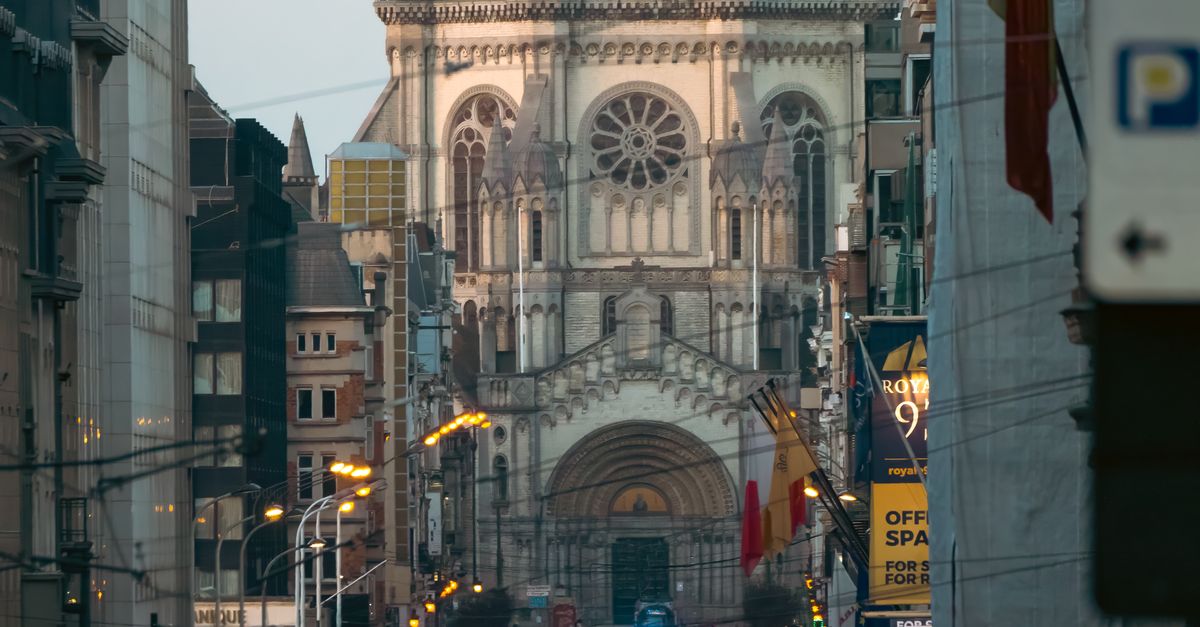
Understanding the Brussels Layout for Better Stay Planning
Before browsing hotel lists, it is helpful to view Brussels as a collection of distinct hubs rather than a single center. The city is divided into several communes, but for the international traveler, the most important distinction is between the historic center and the surrounding residential or administrative districts. The center is high-energy and dense, while areas just a few metro stops away offer a more authentic Belgian experience with wider streets and local cafes.
The primary trade-off usually involves the cost of the room versus the cost of time. Staying in the absolute center reduces the need for public transport but often means smaller rooms and higher rates. Conversely, staying in the outer rings can provide more spacious accommodations and quieter nights, though it requires a better understanding of the STIB public transport system.
Choosing Where to Stay in Brussels by Neighborhood
For those who prioritize being within walking distance of the Grand Place and the Manneken Pis, the City Center is the obvious choice. This area is ideal for travelers on a very short trip who do not want to navigate the transit system with heavy luggage. However, be aware that this zone can be noisy during peak tourist seasons and weekends.
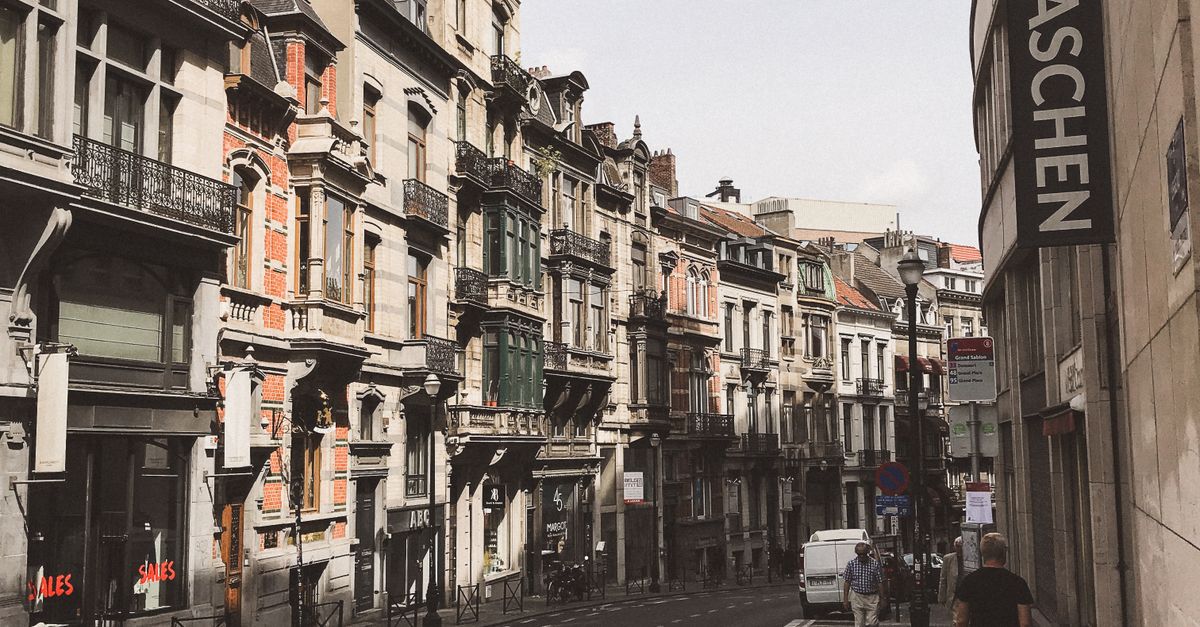
If you prefer a more sophisticated and artistic atmosphere, the Sablon and Ixelles areas are excellent alternatives. Sablon is famous for its antique shops and chocolate boutiques, offering a more refined pace of life. Ixelles provides a blend of student energy and upscale residential streets, making it a great fit for travelers who enjoy exploring local neighborhoods and dining at non-tourist eateries.
The European Quarter is a different experience entirely. This area is dominated by the European Parliament and Commission. While it may feel more business-like during the week, it often offers more modern hotel facilities and larger room categories compared to the historic center. It is a practical choice for those who appreciate order, wide sidewalks, and easy access to the Parc du Cinquantenaire.
Finally, the area around Brussels North is highly practical for those who plan to take day trips to Bruges, Ghent, or Antwerp. Being close to the main transit arteries makes arrivals and departures seamless, though the immediate vicinity of the station can feel less atmospheric than the southern parts of the city.
Managing Transport and Luggage in the City
Arrival in Brussels usually happens via Brussels Airport (Zaventem) or Brussels-South (Midi) station. If you are booking a stay close to your travel date, verify the transport link from your arrival point to your hotel. Taxis and ride-hailing apps are available, but they can be expensive during rush hour when traffic in the center becomes congested.
For families or groups with significant luggage, the cobblestone streets of the historic center can be a challenge. If your hotel is located deep within the pedestrian zones, it is worth checking if the property offers a luggage shuttle or if there is a designated drop-off point. Public transport is generally efficient, but for those unfamiliar with the city, a ride-hailing service to the hotel door is often the most stress-free start to a trip.
Parking is another critical consideration. Many hotels in the center do not have on-site parking or charge high daily fees. If you are renting a car, look for hotels that provide clear information on nearby parking garages or choose a stay slightly outside the center where parking is more accessible.
Experiences Worth Prioritizing During Your Stay
Regardless of where you stay, your itinerary should balance the major landmarks with slower explorations. The center is where you will find the famous waffles and chocolate shops, but venturing into neighborhoods like Saint-Gilles can reveal the true spirit of Brussels through its Art Nouveau architecture and diverse food scene.
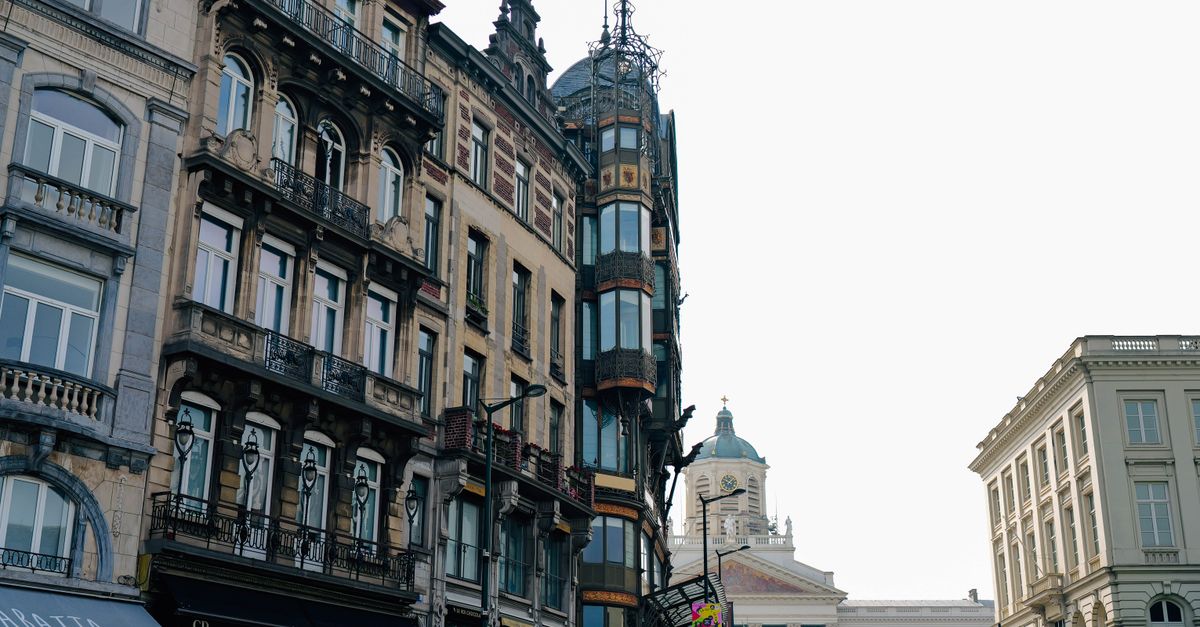
Depending on your preferences, you might find specialized guides for different types of hotel stays in European cities helpful for narrowing down your choices. Visiting the Atomium is a must, but remember that it is located further out from the center, meaning your choice of hotel area will determine whether this is a quick trip or a half-day excursion.
For those staying in the European Quarter, a walk through the nearby parks provides a refreshing break from the urban bustle. Combining a visit to the museums with a stroll through the royal parks offers a balanced view of the city's heritage and its current role as the heart of Europe.
Practical Hotel Booking Checklist for Belgium
Booking a hotel in Brussels requires a few specific checks to avoid disappointment upon arrival. Because many buildings are historic, room layouts can be unconventional.
- Verify the room size and bed configuration, as European city rooms can be significantly smaller than those in North America or Asia.
- Check for the presence of an elevator, especially in older buildings in the center, to avoid climbing multiple flights of stairs with luggage.
- Confirm the noise insulation or request a room facing the inner courtyard if you are sensitive to street noise.
- Review the cancellation policy carefully, as rates can fluctuate rapidly based on EU summits or major city events.
- Check if air conditioning is provided, as some budget or boutique properties may only offer heating and fans.
Which Brussels Area Fits Your Trip Style
First-time visitors often fall into three categories. The Sightseer wants to be in the center, wanting to walk to the Grand Place within five minutes. For them, the heart of the city is the only logical choice despite the higher cost.
The Urban Explorer prefers Ixelles or Sablon. This traveler wants to experience the city as a local, enjoying a morning coffee in a quiet square before taking a short metro ride to the museums. This style fits those who don't mind a 15-minute commute in exchange for a better neighborhood vibe.
The Practical Traveler, perhaps visiting for a mix of business and leisure or taking multiple day trips, will find the European Quarter or the North area more suitable. These areas offer a more predictable hotel experience and easier logistics for movement in and out of the city.
FAQ
Is the city center safe for international tourists?
The city center is generally safe and very welcoming to tourists. Like any major European capital, visitors should be mindful of pickpockets in crowded areas such as the Grand Place or on public transport. Using a cross-body bag and staying aware of your surroundings is usually sufficient to ensure a trouble-free visit.
How easy is it to use public transport from the hotel?
Brussels has an integrated system of metro, trams, and buses that is easy to navigate. Most hotel areas are well-connected. It is recommended to use a contactless payment method or a mobile app for tickets, as this eliminates the need to find ticket machines at every station.
When is the best time to book hotels in Brussels?
Booking a few months in advance is ideal, but since many travelers book closer to their date, flexibility is key. Be aware that during major EU summits or national holidays, hotel availability can drop sharply and prices can spike. Checking current rates and availability frequently is the best strategy.
Finalizing Your Brussels Hotel Selection
Choosing the right base in the Belgian capital comes down to your personal priority: is it the convenience of the Grand Place, the elegance of Sablon, or the modern efficiency of the European Quarter? By matching your traveler persona to the right neighborhood, you can avoid the stress of long commutes and noisy streets.
Before making a final payment, remember to compare hotel areas, current rates, and specific room categories. It is also vital to check the cancellation terms to ensure you have a safety net if your plans change. Comparing current hotel options on Agoda can help you visualize the location and read recent guest feedback on room size and noise levels before you commit to your stay.
