


Nagoya Hotel Areas and Urban Stay Inspiration for Families
Nagoya offers a distinct blend of industrial strength and cultural refinement, making it a refreshing alternative to the crowded streets of Tokyo or Osaka. The city breathes a stylish yet relaxed atmosphere where modern skyscrapers coexist with traditional gardens and vibrant food streets. For many international travelers, the secret to enjoying this urban landscape lies in selecting the right Nagoya hotel areas to serve as a home base. When the stay area matches the itinerary, the pace of travel slows down, allowing families and solo adventurers to discover the city without the stress of excessive commuting or planning surprises.

Why Nagoya Works for a Relaxed Urban Escape
Nagoya is often overlooked in favor of its larger neighbors, but this is exactly why it works so well for those avoiding overpacked itineraries. The city is designed with a logical grid and a highly efficient transport system, which reduces the friction typically associated with navigating a foreign metropolis. For families, this means fewer tantrums and more time spent exploring museums or tasting local specialties like hitsumabushi.
The atmosphere is stylish without feeling too formal, allowing travelers to feel comfortable in casual wear while wandering through upscale shopping districts or quiet residential lanes. Because the city is less congested than Tokyo, the transition from a hotel room to a sightseeing spot is often smoother. This makes it an excellent choice for those who want the excitement of a Japanese city but prefer a more manageable rhythm.
Planning the stay involves understanding that the city is segmented by function. Some parts are dedicated to commerce, others to nightlife and shopping, and some to history. By aligning the choice of accommodation with the primary goal of the trip, travelers can eliminate unnecessary travel time and find a place that matches both their mood and their budget.
Stylish Moods and Local Rhythms in the City
Walking through Nagoya feels like experiencing the heart of Japan's middle ground. You can spend an afternoon at the Osu Kannon temple and its surrounding shopping arcade, where the energy of a traditional night market meets modern street fashion. These food streets are a highlight for anyone who loves a sensory experience, offering everything from traditional sweets to innovative street snacks.
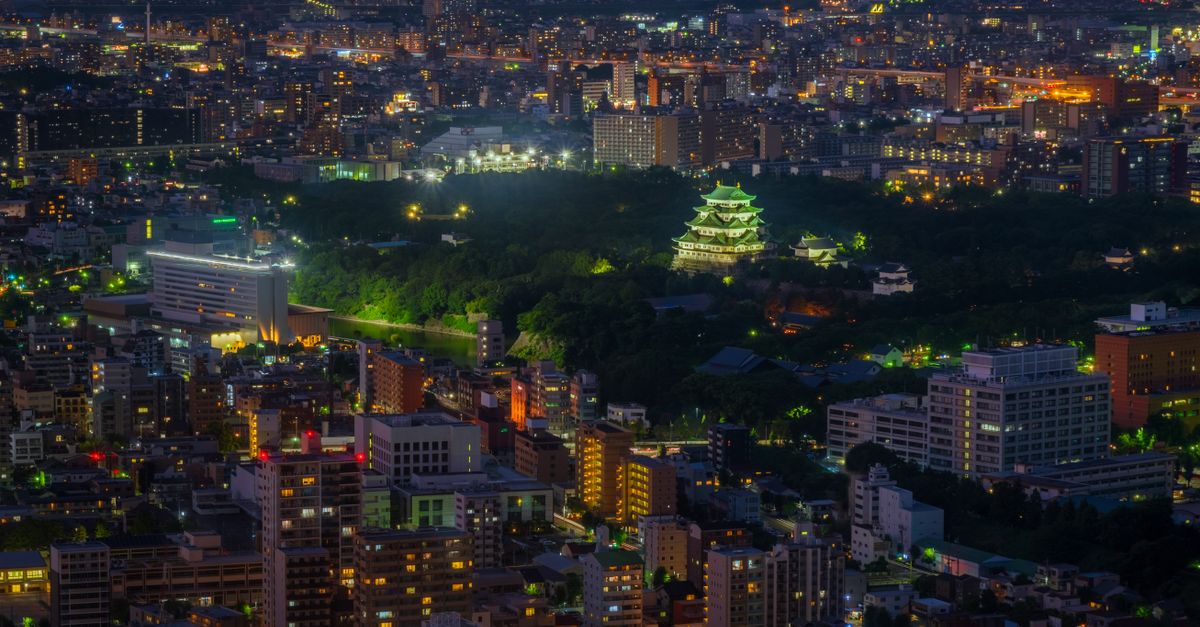
For solo travelers, the simplicity of the city is a major draw. The ease of getting around means that planning is straightforward, allowing for spontaneous detours into cozy cafes or hidden shrines. The visual language of the city is a mix of neon lights and serene greenery, providing a backdrop that is visually stimulating but not overwhelming.
Romantic moments are also easy to find here, whether it is a sunset stroll along the Hisaya-odori Park or a quiet dinner in a high-rise building overlooking the city lights. The key is to find a stay style that complements these experiences, whether that is a sleek city hotel or a more traditional arrangement that offers a glimpse into local living.
Navigating Nagoya Hotel Areas for Different Travelers
Choosing between various Nagoya hotel areas is the most critical part of the planning process. The area around Nagoya Station is the gold standard for convenience. It is the primary gateway for the Shinkansen and local trains, making it the ideal spot for those who plan to take day trips to nearby cities or who have limited time. Hotels here tend to be modern and efficient, catering to business travelers and those who prioritize logistics.
For those who prefer a more vibrant, social atmosphere, the Sakae district is the place to be. Known as the city's main shopping and entertainment hub, it is filled with department stores, underground malls, and an array of dining options. This area is particularly suited for families who want easy access to dinner and shopping without needing to take a taxi every time they leave the hotel.
If a quieter, more residential feel is desired, looking toward the areas near Nagoya Castle or the outskirts of the city center can provide a more authentic local rhythm. These spots are often more budget-friendly and offer a slower pace, though they require a bit more reliance on the subway system. Exploring these districts helps travelers decide whether a specialized city hotel guide or a broader urban stay strategy is better for their needs.
Practical Planning and Hotel Booking Checks
When booking a stay in Japan, the room category is often more important than the overall hotel rating. Japanese hotel rooms, especially in city centers, can be surprisingly compact. For families, it is essential to check the actual square footage or the maximum occupancy of a room to avoid feeling cramped. Many hotels offer family rooms or connecting options, but these are often limited and should be secured early.
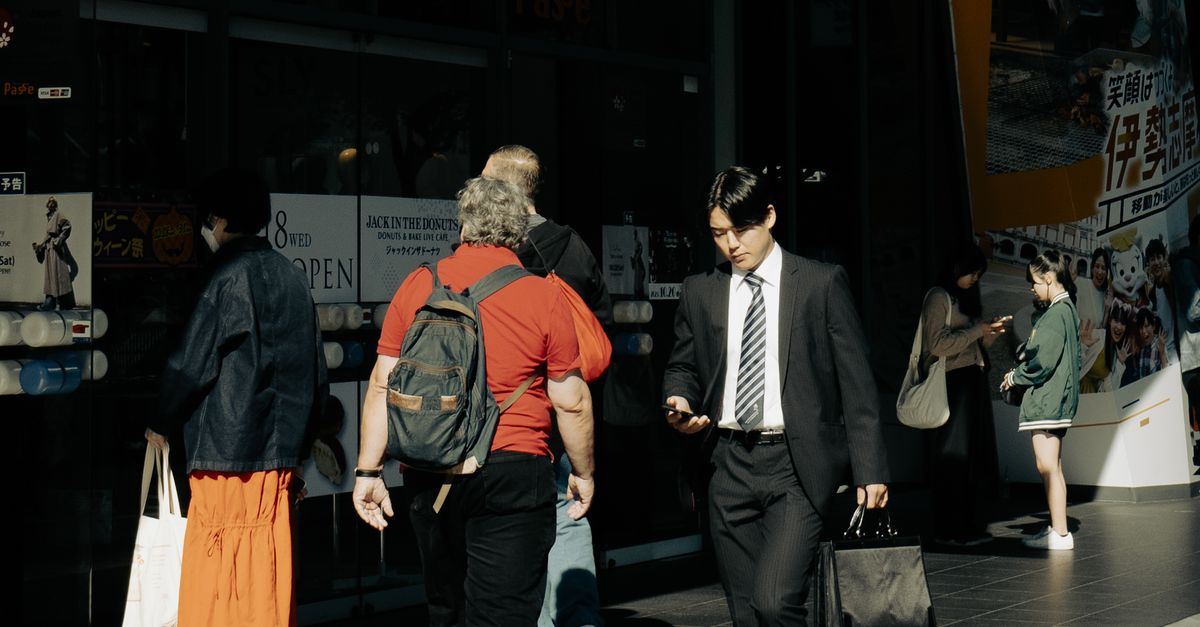
Another critical check is the cancellation policy. Travel plans can change, especially when traveling with children or solo. Selecting a flexible rate allows for peace of mind, even if it costs slightly more than a non-refundable option. Additionally, travelers should check if the hotel provides luggage storage, as the walk from the station to the hotel can be tiring with heavy bags.
It is also worth considering the breakfast options. Many hotels in Nagoya provide a buffet that includes local specialties, which can be a great way to start a family day without searching for a restaurant early in the morning. Comparing these small details before confirming a booking ensures that there are fewer surprises upon arrival.
Essential Stay Checklist for International Visitors
To ensure the accommodation choice matches the trip's intent, consider the following points before finalizing the booking:
- Verify the walking distance from the nearest subway station or JR exit to avoid long treks with luggage.
- Confirm the bed configuration, as some rooms use semi-double beds which may be too small for two adults.
- Check if the hotel is located within a walkable distance to a convenience store for late-night essentials.
- Review the cancellation terms and the check-in time to coordinate with flight or train arrivals.
- Check for available room upgrades or family-specific suites if traveling with more than two people.
Who Should Choose Nagoya for Their Next Stay
Nagoya is a perfect fit for the traveler who feels intimidated by the sheer scale of Tokyo but finds Kyoto too tourist-heavy. It appeals strongly to solo travelers who want a simple, stress-free planning experience. The city's efficiency means you can see a lot without feeling like you are on a forced march.
For families, the city's balance of educational sites, like the Toyota Commemorative Museum, and recreational spaces makes it a low-stress destination. The availability of family-friendly accommodation areas means parents can find a balance between a central location and a quiet place to rest.
Ultimately, this destination suits those who appreciate a stylish, modern environment but value practical convenience and a relaxed pace. It is for the traveler who wants to experience the essence of urban Japan while keeping the logistical side of the trip manageable and predictable.
FAQ
What is the most convenient area for families in Nagoya?
The Sakae district is generally the most convenient for families because it combines shopping, dining, and entertainment in one walkable area. This reduces the need for frequent transport and allows parents to easily find meals and amenities. However, the area around Nagoya Station is also excellent for those arriving by Shinkansen who want to minimize luggage transit.
Are room sizes in Nagoya hotels typically small?
Yes, city hotels in Japan are known for being compact. It is very common for standard rooms to be smaller than what international travelers expect. To avoid surprises, it is recommended to check the room category and specific square meters in the listing. Families should specifically look for family rooms or suites to ensure everyone has enough space.
Is public transport easy to use from the main hotel areas?
Public transport is exceptionally reliable and easy to navigate in Nagoya. Most major hotel areas are located near the subway or JR lines. The city uses an intuitive system, and most signage is available in English. Using a prepaid IC card makes jumping between the subway and buses seamless, regardless of which district you stay in.
Making Your Final Stay Decision
Selecting the right base in Nagoya can transform a standard trip into a seamless experience. Whether you are drawn to the high-energy shopping of Sakae or the logistical ease of the station area, the goal is to match your stay to your travel rhythm. A mistake in area selection can lead to unnecessary commuting, which takes away from the time you could spend exploring the city's hidden gems.
Before making a final commitment, take the time to compare current hotel options on Agoda or other platforms. Pay close attention to the room category, the exact location on the map, and the specific cancellation terms. By verifying these details, you can ensure your Nagoya stay is as stylish and stress-free as the city itself.
