

Where to Stay in Montreal for First Time International Visitors
Montreal is a city where the atmosphere shifts dramatically from one block to the next. For an international visitor, the choice of where to stay in Montreal often determines how much time is spent navigating transit versus exploring the cobblestone streets of Old Montreal or the shopping hubs of Downtown. Since the city is divided by the mountain and the river, picking a hotel area that aligns with your primary interests—whether it is historic charm, modern convenience, or local culture—is the most critical decision in the planning phase. A poor location choice can lead to unnecessary commute times, especially during the cold winter months when walking long distances is not practical.
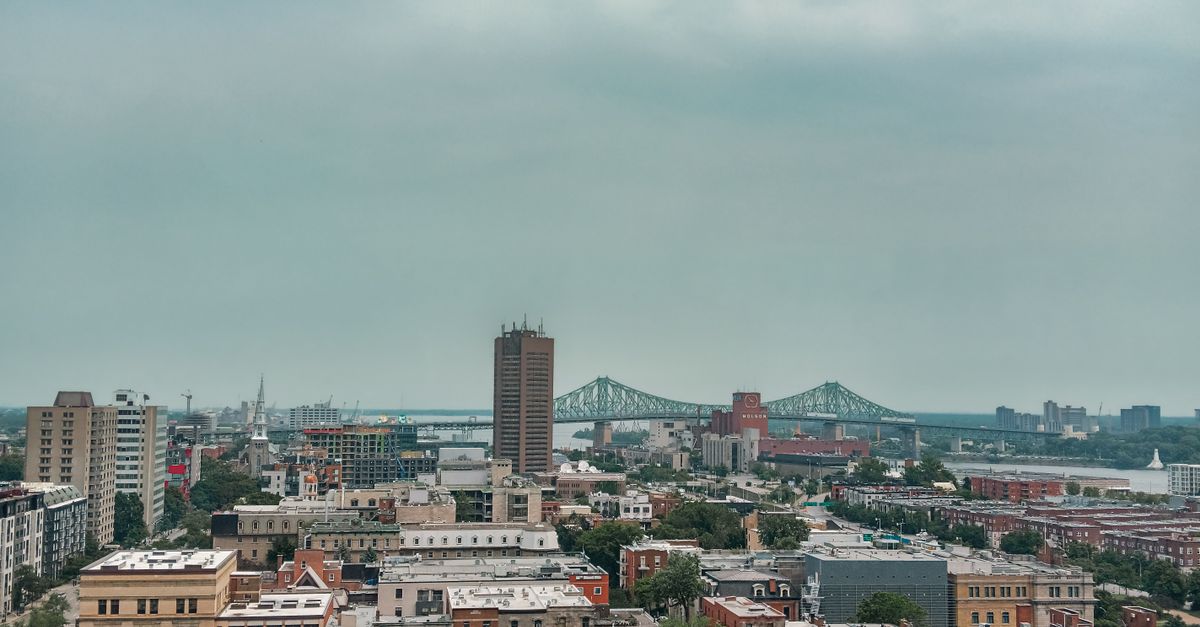
The Impact of Hotel Location on Your Montreal Experience
Choosing a base in Montreal is not just about the hotel room; it is about the logistical flow of your entire trip. The city is known for its efficient Metro system and the vast Underground City (RÉSO), which allows pedestrians to bypass surface traffic and weather. If you stay in an area with direct access to these networks, your ability to reach museums, parks, and dining districts increases significantly.
For those who prioritize a resort-like experience within a city setting, certain areas offer hotels with full-service spas, high-end fitness centers, and concierge services that simplify the arrival process for foreigners. However, staying too far from a Metro station can make the city feel fragmented, forcing a reliance on ride-sharing services which can become expensive over a week-long stay. The trade-off usually falls between the high-energy center and the quieter, more authentic residential neighborhoods.
Comparing the Most Practical Areas Where to Stay in Montreal
The first area most international visitors consider is Old Montreal (Vieux-Montréal). This district is the heart of the city's history, featuring European-style architecture and a waterfront promenade. Hotels here are often housed in restored heritage buildings, providing a unique atmosphere. It is highly walkable and ideal for those who want to be steps away from the historic port and the Notre-Dame Basilica. The downside is that it can feel very tourist-centric, and prices are generally higher.
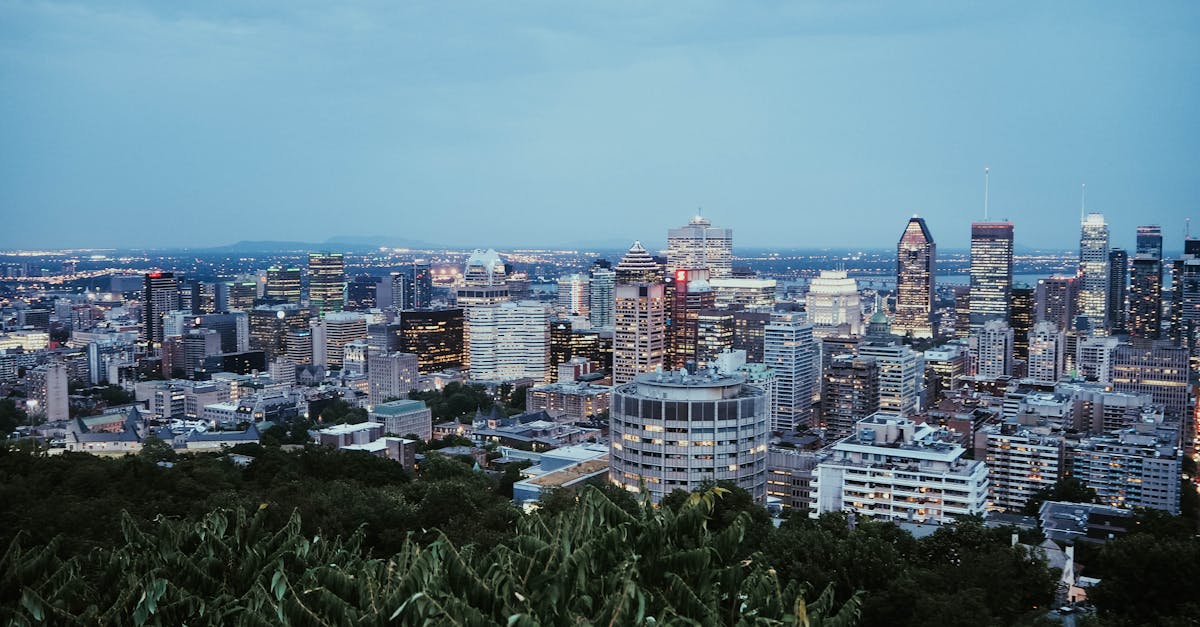
Downtown (Centre-Ville) is the engine of the city. This area is best for travelers who value convenience above all else. It is the primary hub for shopping, business, and transport. Most major hotel chains are located here, offering consistent standards and easy access to the Underground City. If your trip involves multiple short excursions to different parts of the city, Downtown provides the most neutral and efficient jumping-off point.
For a more local experience, the Plateau Mont-Royal is a distinct choice. This neighborhood is famous for its colorful houses, spiral staircases, and artistic vibe. While you will find fewer large-scale hotels and more boutique options or apartments, the area offers a glimpse into the real Montreal. It is less about resort-style luxury and more about neighborhood charm, though it requires a bit more walking or bus travel to reach the main tourist sites.
Le Quartier des Spectacles is another strong contender. As the city's entertainment district, it is the center of countless festivals throughout the year. Staying here puts you in the middle of the action, with a high density of theaters, galleries, and open-air plazas. It is an excellent middle ground between the history of Old Montreal and the commercial nature of Downtown.
Planning Your Movement and Trip Length
The duration of your stay should influence your choice of neighborhood. For a short stay of three to four days, staying in Downtown or Old Montreal is typically more efficient. These areas minimize travel time, allowing you to maximize your limited hours. International travelers arriving for the first time often find that the proximity to main attractions reduces the stress of navigating a new city's layout.
For longer trips, such as a week or more, moving toward the Plateau or other residential zones can be more rewarding. It allows you to develop a routine, visit local bakeries, and experience the city at a slower pace. Many travelers find that reviewing broader destination guides helps them narrow down the specific neighborhood that fits their pace before they commit to a specific property.
Transport from Trudeau International Airport (YUL) is a key consideration. Whether you use the 747 express bus or a taxi, arriving at a hotel in the center of the city is generally simpler than navigating to the outer boroughs with heavy luggage. Always check if your hotel offers a shuttle or has a clear partnership with transport providers to ease your first few hours in Canada.
Balancing Comfort and Convenience Trade-offs
When comparing hotels, international visitors often face a choice between the predictability of a large hotel and the character of a boutique stay. Large city hotels in Downtown Montreal often function like urban resorts, providing amenities like 24-hour room service and large gyms. These are safer bets for those who want a seamless, low-friction experience.
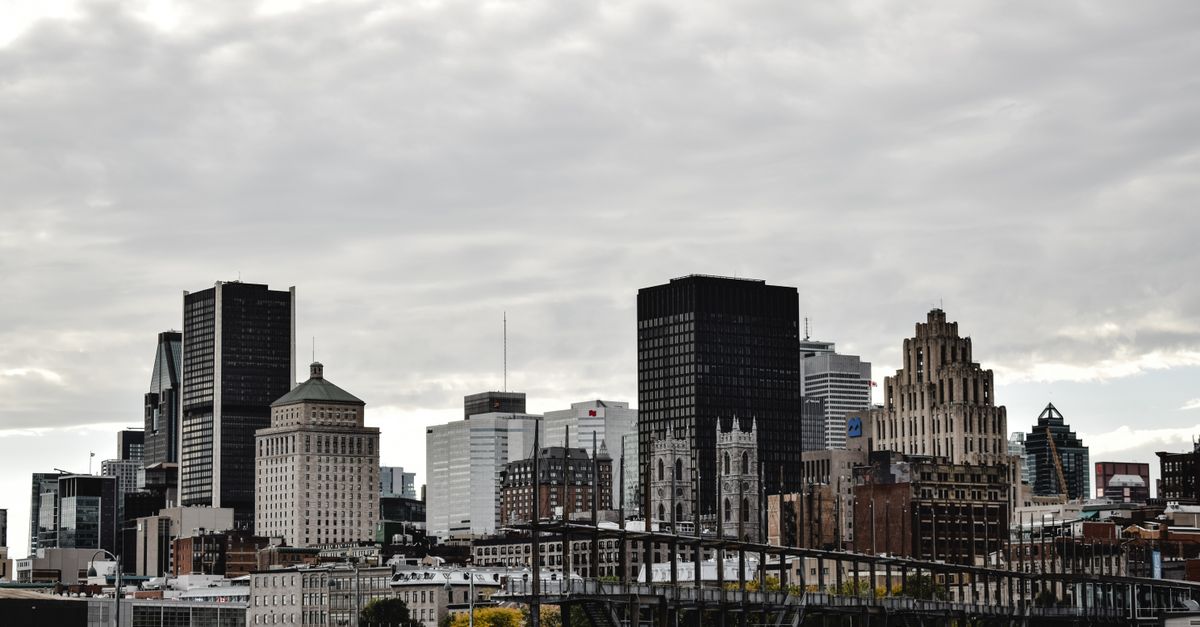
Boutique hotels in Old Montreal or the Plateau offer more personality but may have smaller rooms or less consistent amenities. A critical check before booking is the room category. In older buildings, some rooms may be interior-facing (without windows) or have limited elevator access. For those seeking a higher level of comfort, specifying a room with a city view or a higher floor can significantly improve the stay experience.
Hotel Booking Checklist for International Arrivals
To avoid surprises after payment, it is helpful to run through a practical checklist. Montreal's climate and building styles vary, so a few specific checks can prevent discomfort during your trip.
- Verify the distance to the nearest Metro station to ensure ease of movement.
- Confirm the room's heating and cooling capabilities, especially for winter or summer visits.
- Check the specific room category to ensure it has a window and adequate natural light.
- Review the hotel's policy on early check-in or luggage storage for late flights.
- Check if parking fees are separate, as downtown parking is often expensive and limited.
Who Should Choose Which Neighborhood
The right area depends entirely on the traveler persona. Families often prefer Downtown due to the space available in larger hotels and the ease of access to shopping and kid-friendly attractions. Couples seeking romance and a European feel will find Old Montreal the most appealing, provided they are comfortable with a higher price point.
Solo travelers or those interested in art and gastronomy will likely gravitate toward the Plateau. It is a place for exploration and discovery rather than structured sightseeing. Meanwhile, business travelers or those on a tight schedule will find the efficiency of the Centre-Ville area unmatched.
FAQ
Is the Metro convenient for all hotel areas?
The Metro is highly efficient and covers most major tourist areas, but accessibility varies. Downtown and the Quartier des Spectacles have very high station density. Old Montreal is walkable but relies on a few key stations. The Plateau is well-served but may require short bus trips to reach the nearest Metro entrance depending on your exact hotel location.
Should I stay in Old Montreal or Downtown?
Choose Old Montreal if you prefer cobblestone streets, historic architecture, and a slower, more romantic pace. Choose Downtown if you prioritize shopping, easy access to the Underground City, and a wider variety of international hotel brands. Downtown is generally more practical for first-time visitors who want to minimize travel time between different city districts.
What should I check before paying for a Montreal hotel?
Always verify the specific room category and the view, as some city hotels have interior rooms that lack windows. Additionally, check the proximity to a Metro station and the hotel's cancellation policy. Since Montreal is a seasonal city, confirming the presence of effective climate control in your room is essential for a comfortable stay.
Making Your Final Hotel Decision
Deciding where to stay in Montreal requires balancing your desire for local authenticity with the practical need for transport efficiency. Whether you choose the historic charm of the Old Port or the bustling energy of the city center, the key is to ensure the location matches your itinerary's pace. A central location can save hours of travel time, while a neighborhood stay can provide a deeper connection to the city's culture.
Before finalizing your booking, it is highly recommended to compare current hotel options on Agoda to see real-time availability and pricing. Remember to compare different hotel areas, check the current rates, and carefully review the room category and booking conditions to ensure they align with your travel dates and expectations.
