

Helsinki Hotel Neighborhoods Compared for Practical City Stays
Helsinki is a city where the urban grid meets the Baltic Sea, creating a unique geography that can make picking a hotel feel overwhelming. For many, the challenge is not finding a high-quality room, but choosing which of the Helsinki hotel neighborhoods aligns with their daily movement and priorities. Whether you want to wake up to a view of the harbor or prefer being steps away from the central railway station, the area you choose dictates how much time you spend in transit. For those on a short city break, a poor location choice can mean spending an hour a day just navigating the tram system, which takes away from the actual experience of the Finnish capital.

The Main Decision Value for Your Helsinki Stay
When planning a visit to the Finnish capital, the primary decision is a trade-off between absolute convenience and atmospheric surroundings. Helsinki is compact, but the atmosphere shifts quickly as you move from the glass-and-steel business districts to the seaside parks. The goal is to find a base that minimizes friction during your arrival and departure while keeping you close to the things you actually want to see.
For a short stay, staying within the inner city is usually the most logical choice. However, for those who value quiet mornings and a connection to the water, moving slightly toward the coastal fringes offers a different kind of luxury. The decision often comes down to whether you prefer to step out of your hotel into a shopping street or into a seaside promenade.
Comparing Helsinki Hotel Neighborhoods for Your Stay
Different areas of the city serve different traveler needs. Understanding the layout prevents the common mistake of booking a hotel that looks central on a map but requires multiple tram transfers to reach the main sights.
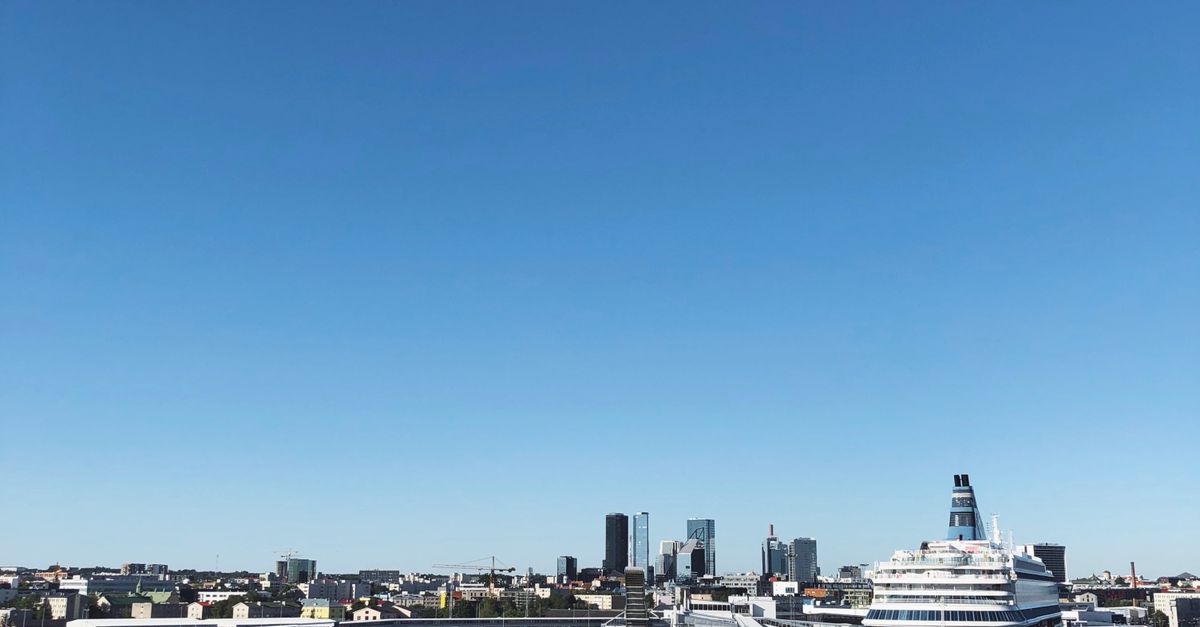
The City Center and Kluuvi area is the heart of the city. This is the most practical choice for business travelers or those who arrive via the central railway station. Most of the major landmarks, including the Helsinki Cathedral and the main shopping galleries, are within walking distance. The hotel options here are typically larger, full-service business hotels with predictable standards of comfort.
Kamppi is the modern hub of the city, known for its architecture and the massive underground shopping center. Staying here puts you near the central bus station and a wide array of dining options. It is a high-energy area that works well for travelers who want to be in the middle of the action and have immediate access to almost every tram line in the city.
Kallio is the bohemian district, located slightly north of the center. It is less about traditional sightseeing and more about local life, independent cafes, and a younger vibe. While it is further from the harbor, it is well-connected by the metro and trams. This area is better suited for travelers who prefer a neighborhood feel over a tourist hub.
Töölö and the areas near Kaivopuisto provide the coastal experience. If your goal is to have easy access to the shoreline, seaside walks, and open green spaces, these neighborhoods are ideal. These areas are quieter and feel more residential, making them a great fit for comfort-focused travelers who want to escape the city noise without leaving the city limits.
Planning Short Trip Movement and Transport
Helsinki is designed for efficiency. The tram system is the lifeline of the city, and your hotel choice should be based on the nearest tram stop rather than just the distance in meters. Most central areas are walkable, but the Finnish weather can make a ten-minute walk feel much longer during the autumn or winter months.
For a three to five day trip, the logistics of arrival and departure are critical. Choosing a hotel near the Central Railway Station simplifies the transition from the airport train. If you are planning several ferry trips to Suomenlinna or other islands, staying closer to the South Harbour reduces morning stress. Many travelers find that reading specific where-to-stay guides for Northern Europe helps in narrowing down the exact street or block for their hotel.
Prioritizing Waterfront Access and Coastal Stays
One of the unique aspects of Helsinki is how the city integrates with the sea. For those seeking a beach-adjacent or waterfront vibe, the southern and western edges of the city center are the best options. While Helsinki does not have traditional tropical beaches, the rocky coastlines and manicured seaside parks offer a serene environment.

Staying near the waterfront allows for a slower pace of travel. You can start your day with a walk along the shoreline before heading into the dense city center for museums and shopping. This balance of nature and urbanity is what makes the coastal neighborhoods attractive for those who find the center too hectic. It allows you to experience the Finnish concept of proximity to nature even while staying in a business-style hotel.
Practical Booking Checklist for Helsinki Hotels
Before finalizing your booking, there are several practical details that can significantly impact your stay. Helsinki hotels are generally high-quality, but the specific room category and policy can vary.
- Check the room size as some central European-style rooms can be quite compact for comfort-focused travelers.
- Verify the cancellation policy especially if your trip depends on flight or ferry timings.
- Confirm the proximity to the nearest tram stop to ensure easy movement regardless of weather.
- Review the breakfast options as Finnish hotel breakfasts are often a significant part of the value.
- Check for sauna access within the hotel since this is a key part of the local culture and relaxation.
Who This Guide Suits Best
This information is tailored for travelers who prioritize comfort and practicality over budget backpacking. It is ideal for first-time visitors who are unfamiliar with the city layout and want to avoid the stress of choosing the wrong area. It also serves business travelers who need a seamless transition between the airport, their hotel, and meeting venues.
If you are looking for a high-energy experience with maximum accessibility, the central hubs are for you. If you are seeking a peaceful retreat that still allows for easy city exploration, the waterfront and residential neighborhoods like Töölö are the better fit.
FAQ
Is the city center the best area for first-time visitors?
For most first-time visitors, the city center or Kluuvi area is the most practical choice. It puts you within walking distance of the primary landmarks and the main transport hub. This eliminates the need for complex navigation and allows you to maximize your limited time in the city without worrying about transport delays.
How does public transport work when staying outside the center?
Helsinki has an excellent public transport network consisting of trams, buses, and the metro. If you stay in areas like Kallio or Töölö, you will rely on the tram system. It is highly reliable and easy to use with mobile tickets, making it simple to reach the center in fifteen to twenty minutes.
Should I stay near the harbor or the design district?
Staying near the harbor is better if you plan on taking ferries to the islands or enjoy morning seaside walks. The Design District is better for those who enjoy boutique shopping, galleries, and a more artistic atmosphere. Both are relatively central, but the harbor area is generally quieter and more scenic.
Deciding on the Right Helsinki Base
Choosing the right base in Helsinki depends on whether you value the pulse of the city center or the tranquility of the coast. For a short, efficient trip, the areas around the central station are unbeatable. For a more relaxed, comfort-oriented experience, the waterfront neighborhoods offer a refreshing alternative.
Before making a final decision, it is highly recommended to compare current hotel options on Agoda to see the real-time availability and pricing. Always remember to compare different room categories and read the cancellation terms carefully. Checking current rates and booking conditions ensures that your accommodation matches both your budget and your travel flexibility.
