

Where to Stay in Yokohama for Practical First Time Visitors
Yokohama is often overshadowed by its larger neighbor, but for families and slow travelers, it offers a more breathable urban experience. The city blends a futuristic waterfront with deep historical roots, making it an ideal base for those who find central Tokyo too overwhelming. However, the sheer size of the city can make the decision of where to stay in Yokohama challenging. Choosing the wrong neighborhood can mean long commutes with strollers or luggage, which quickly drains the energy of a short city stay. Understanding the layout of the waterfront versus the transit hubs is the first step in planning a practical visit that balances sightseeing with actual relaxation.

Deciding Your Base for a Yokohama City Break
When planning a visit to Yokohama, the primary decision is whether you want a quiet, scenic retreat or a high-efficiency transit hub. For many first-time visitors, the city is a secondary stop after Tokyo, meaning they only stay for two or three nights. In such short trips, the location of your hotel becomes the most critical factor in your daily itinerary. If you spend too much time navigating local buses or walking long distances between the station and your room, you lose the charm of the city.
For families, the priority usually shifts toward space and accessibility. Unlike the cramped quarters often found in central Tokyo, Yokohama offers more apartment-style stays and wider sidewalks. This makes the city far more manageable for those traveling with young children or elderly parents. The goal is to find a base that allows you to step out into a walkable area without needing a taxi for every single attraction.
Comparing Areas for Where to Stay in Yokohama
Yokohama is divided into several distinct zones, each catering to a different type of traveler. Depending on your priorities, one of these three main areas will likely be the best fit for your hotel base.

Minato Mirai 21
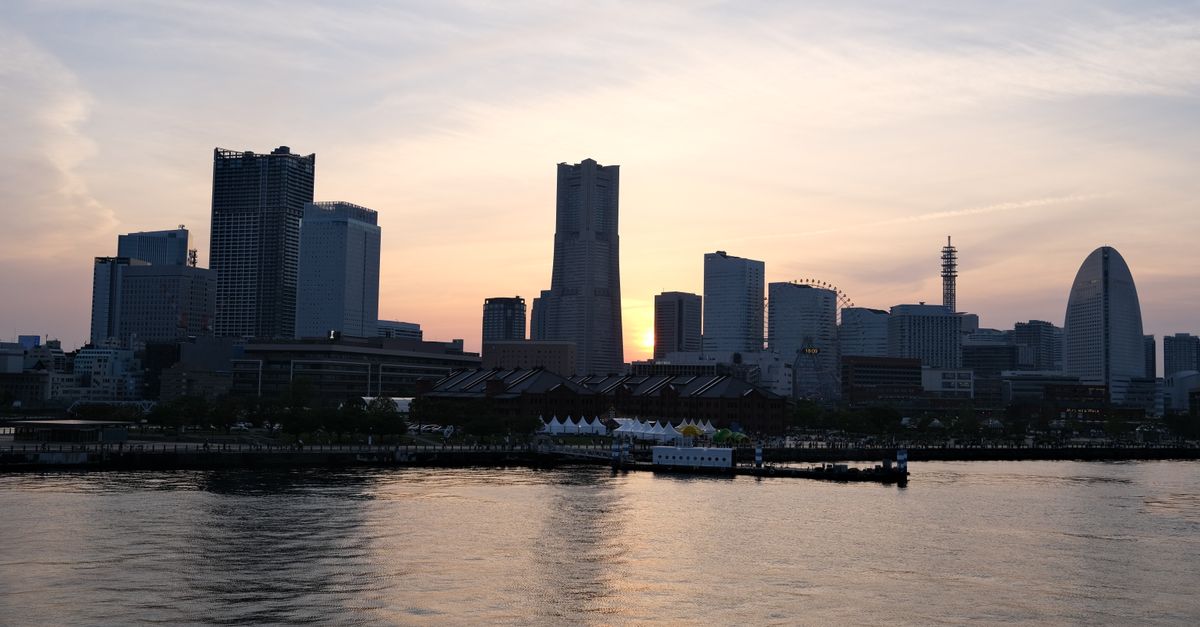
This is the most popular choice for families and those seeking a modern experience. Minato Mirai is a planned urban district featuring wide, pedestrian-friendly promenades, shopping malls, and the iconic waterfront. Staying here means you are within walking distance of the Landmark Tower and the Cosmo World amusement park. For families, this area is ideal because of the abundance of apartment-style hotels that offer more room than a standard business hotel. The streets are spacious, making stroller movement effortless.
Yokohama Station Area
If your trip involves frequent travel to Tokyo or other nearby cities, staying near Yokohama Station is the most practical move. This area is the heart of the city's transport network. While it lacks the scenic charm of the waterfront, it provides immediate access to trains, department stores, and a vast array of dining options. It is a high-energy zone that suits travelers who prioritize efficiency and those who want to minimize their time spent in transit.
Chinatown and Noge
For travelers focused on food and culture, the area around Yokohama Chinatown and the Noge district offers a more traditional atmosphere. This region is vibrant and dense, characterized by narrow alleys and countless small eateries. While it is less suited for families with very young children due to the crowds and narrower paths, it is perfect for couples or adult groups who want to immerse themselves in the local culinary scene. Hotels here are often smaller, but the proximity to street food and markets is an unmatched advantage.
Managing Transport and Family Movement
Navigating Yokohama with a family requires a different approach than solo travel. While the train system is excellent, the distances between the main station and the waterfront can be deceptive. For those staying in Minato Mirai, the local loop buses are a lifesaver, offering a cost-effective way to hop between major landmarks without extensive walking.
Ride-hailing services and taxis are readily available and are often the most sensible choice for families with heavy luggage or strollers. When planning your movement, remember that Japanese hotels often have very specific check-in times. Coordinating your arrival with your hotel's luggage storage policy can save you from dragging suitcases across the city. Depending on your overall Japan itinerary, you might also look for specialized options like a beach hotel or airport hotel guides to streamline your transit.
Experiences to Prioritize Near Your Accommodation
The best part of choosing the right area is the ability to visit key sites without stress. If you stay in the Minato Mirai area, the Cup Noodles Museum and the Red Brick Warehouse are essentially your neighbors. These sites are highly interactive and family-friendly, requiring very little travel time from your hotel base.
For those staying closer to the station, the Sankeien Garden is a must-visit, though it requires a short bus ride. The garden provides a serene contrast to the urban hustle, offering traditional Japanese landscapes that are refreshing for a short city stay. Balancing these high-energy urban spots with a few quiet garden visits ensures a well-rounded trip that doesn't leave the family exhausted.
Essential Checklist Before Booking Your Stay
Booking a hotel in Japan can be tricky because room sizes are often smaller than international standards. Before you confirm your booking, verify these practical details to avoid disappointments upon arrival.
- Actual Room Square Footage: Check if the room is large enough for your family, as some standard rooms are very tight for three or more people.
- Bed Configurations: Confirm if the room has twin beds, a double, or Japanese-style futons, as this affects sleeping arrangements for children.
- Laundry Facilities: For families on a short city stay, having access to a coin laundry in the hotel is a significant convenience.
- Station Proximity: Verify the actual walking time to the nearest station or bus stop, not just the distance in meters.
- Parking Availability: If you are renting a car, check if the hotel provides on-site parking or if you must use a public lot.
Who This Yokohama Area Guide Suits Best
This guide is specifically designed for families and first-time visitors who are planning a short stay in Yokohama. It is most useful for those who are currently in the planning phase and are trying to decide which neighborhood will minimize their stress and maximize their sightseeing time. If you are a business traveler or a luxury seeker, your needs may differ, but for the practical family traveler, these area comparisons provide the necessary foundation for a successful trip.
FAQ
Is Yokohama a good base for visiting Tokyo?
Yes, Yokohama is an excellent base, and it is only about 30 minutes from central Tokyo by train. However, it is better suited for those who want a slower pace and a more family-friendly environment. If your main goal is Tokyo sightseeing, staying in Tokyo is more efficient, but Yokohama offers a more relaxed atmosphere for those with children.
Are apartment hotels common in Yokohama?
Apartment-style hotels are quite common, especially in the Minato Mirai area. These are highly recommended for families because they often include small kitchens and more living space than standard hotels. This allows families to prepare simple meals and have a separate area for children to play, making the stay much more comfortable.
How accessible is the city for strollers?
Yokohama is generally very accessible, particularly in the Minato Mirai district where sidewalks are wide and elevators are available at almost every transit point. The main challenge is the crowded nature of Chinatown, where narrow streets can make strollers difficult to maneuver. Using the loop buses is the best way to navigate the city comfortably.
Finalizing Your Yokohama Hotel Choice
Choosing where to stay in Yokohama depends on whether you value scenic walks, transport efficiency, or cultural immersion. For most families, Minato Mirai remains the top choice due to its layout and room options. However, always remember that availability and pricing fluctuate based on the season and local events.
Before making a final payment, we recommend comparing current hotel areas and rates on Agoda to see which options fit your budget. Be sure to double-check the room category, total square footage, and the specific booking conditions regarding cancellations. Verifying these details ensures that your hotel base supports your trip rather than complicating it.
