


Where to Stay in Tokyo for First-Time Visitors
Tokyo's scale can be overwhelming for those visiting for the first time, as the city is essentially a collection of distinct hubs rather than a single center. The challenge often lies in the gap between a hotel's price and its actual convenience relative to the sights you plan to see. Choosing where to stay in Tokyo can dictate whether you spend your mornings relaxing or navigating complex transfers across the city's massive rail network. Understanding the atmospheric differences between the neon streets of Shinjuku and the traditional lanes of Asakusa is the first step in ensuring your home base supports your travel style and minimizes unnecessary transit stress.
Selecting the Right Base for Your Itinerary
For a first-time visitor, the most common mistake is choosing a hotel based on a low price without analyzing the location's connectivity. Tokyo does not have one single downtown; instead, it has several major nodes. If your hotel is located far from a major JR line or a primary subway hub, you may find yourself spending an hour or more on transit for every single activity.
The primary decision involves balancing your priority between nightlife, traditional culture, or seamless transport. A hotel in a quiet residential area might offer more space and lower rates, but the daily commute to the main attractions can quickly become exhausting. It is often more practical to pay a slight premium for a location that puts you within a ten-minute walk of a major station, especially when arriving with heavy luggage or traveling with family.
Planning your stay requires looking at your must-visit list. If you spend most of your time in museums and palaces, the East side of the city is more convenient. If you are focused on shopping and pop culture, the West side is the better choice. Aligning your hotel area with your primary interests reduces the friction of city movement.
Comparing Key Hotel Areas to Decide Where to Stay in Tokyo
Different districts offer vastly different experiences. Here is how the main areas compare for those deciding where to stay in Tokyo based on traveler fit.

Shinjuku is perhaps the most popular choice for first-timers. It is a massive transport hub with direct access to many parts of the city and the airport limousine bus. This area is ideal for travelers who want to be in the heart of the action, surrounded by endless dining, shopping, and neon lights. However, Shinjuku Station is one of the busiest in the world, which can be intimidating. Business hotels here are plentiful and offer a consistent standard of cleanliness and efficiency.
Shibuya is the center of youth culture and fashion. Staying here is a great fit for those who want a more vibrant, trendy atmosphere. It is highly walkable and connected to the Yamanote Line, making it easy to reach other major districts. The hotel options here range from boutique stays to large-scale international brands, though rooms can be quite compact given the high demand for the location.
Ginza caters to those looking for a more refined experience. Known for high-end shopping and world-class dining, this area is generally quieter at night than Shinjuku or Shibuya. It is an excellent base for foodies and luxury travelers. The hotels here often provide more space and higher service levels, making it a preferred choice for couples or those with a larger budget.
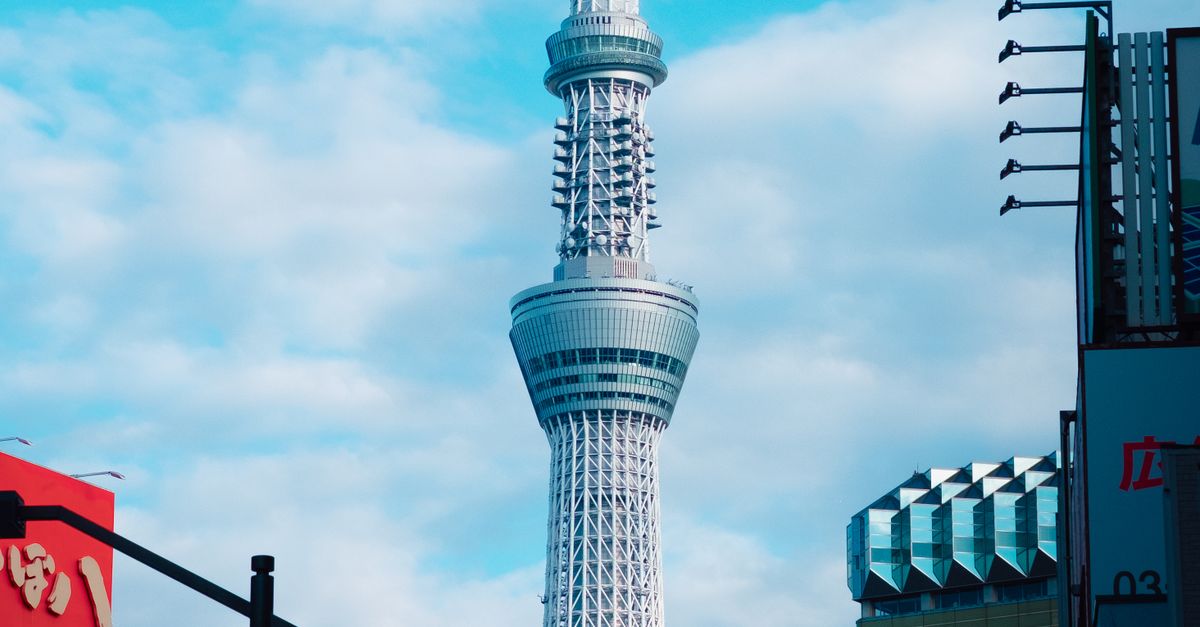
Asakusa offers a glimpse into "Old Tokyo." It is home to the famous Senso-ji Temple and traditional craft shops. Staying in Asakusa is often more affordable and feels less frantic than the western hubs. It is a great fit for travelers who prefer a slower pace and a more traditional aesthetic. However, keep in mind that it is further away from the Shibuya and Shinjuku areas, meaning longer travel times for nightlife activities.
Tokyo Station and Marunouchi are the gold standard for convenience. If you are arriving via the Shinkansen (bullet train) or heading straight to the airport, this area is unbeatable. It is a professional, polished district with a high concentration of business hotels. While it lacks the "gritty" charm of some other neighborhoods, the sheer accessibility to the entire city makes it a strategic choice for short stays.
Navigating Transport and Arrival Context
Understanding how you will move is as important as where you sleep. The Yamanote Line, a circular rail loop, connects most of the major hubs mentioned above. Staying within walking distance of a Yamanote station is a significant advantage for first-time visitors because it eliminates the need for complex transfers.
Arrival and departure logistics should also influence your hotel choice. If you are traveling with multiple large suitcases, consider whether your hotel is accessible via the Airport Limousine Bus or if you will need to navigate subway stairs. Some hotels are located in "hidden" alleys that may be charming but difficult to find with heavy luggage.
Since hotel rates in Tokyo fluctuate significantly based on the season, such as during cherry blossom or autumn leaf peaks, it is essential to check current availability and rates based on your specific travel dates. A neighborhood that seems affordable in June may be prohibitively expensive in April.
Managing Room Expectations and Stay Styles
One of the biggest surprises for international travelers in Tokyo is the size of the hotel rooms. The "Business Hotel" is a staple of Japanese hospitality. These hotels are not just for business travelers; they are the primary mid-range option for tourists. They are typically very clean, modern, and efficient, but the rooms are often quite small.

When comparing options, look specifically at the square footage of the room. A "Double Room" in Tokyo may be significantly smaller than what you are used to in Europe or North America. If you have large suitcases, check if there is enough floor space to open them without blocking the walkway.
There is also a distinct difference between choosing a hotel for its "view" versus its "access." Hotels with high-floor views of the Tokyo skyline are stunning but may be located slightly further from the station. For most first-time visitors, prioritizing access over a view results in a more practical and less stressful trip.
For those exploring specific districts, comparing detailed hotel reviews for different city zones can provide further clarity on whether a specific property fits their needs.
Practical Booking Checklist for Tokyo Hotels
Before confirming your booking, go through this checklist to ensure there are no surprises after check-in:
- Exact Station Distance: Verify the actual walking time to the nearest station using a map, rather than relying on the hotel's "5-minute walk" claim.
- Room Size in Square Meters: Look for the specific dimensions of the room to ensure your luggage will fit comfortably.
- Bed Configuration: Confirm if the room has a double bed or two twin beds, as "Twin" is very common in Japan and may be preferable for some.
- Laundry Access: Check for coin-operated laundry machines, which are essential for longer trips to reduce packing volume.
- Current Rate Comparison: Compare rates across different dates to ensure you aren't booking during a local holiday peak.
Who This Guide Suits Best
This guide is designed for travelers who want a predictable and efficient experience in Tokyo. It is particularly useful for those who are anxious about the city's complexity and want to avoid the mistake of staying in an inconvenient area. If you value transport efficiency and a clean, standardized stay, focusing on the hub-based approach outlined here will serve you well.
It is also tailored for those who prefer the business hotel style—where functionality, location, and cleanliness are prioritized over expansive room sizes or luxury amenities. If your goal is to use your hotel as a comfortable base for exploration rather than a destination in itself, these recommendations are the most practical fit.
FAQ
Which area is the most convenient for shopping and dining?
Shinjuku and Shibuya are the top choices for those prioritizing shopping and dining. Shinjuku offers a massive variety of department stores and izakayas, while Shibuya is the heart of trendy fashion and youth culture. Both areas provide an immersive urban experience with thousands of options within walking distance of your hotel.
Are hotel rooms in Tokyo generally small?
Yes, especially in business hotels, which are the most common mid-range options. Rooms are designed for efficiency, providing everything you need in a compact space. If you require more room for family or luggage, it is advisable to look for "Superior" or "Deluxe" room categories, or consider hotels in the Ginza area.
Is it better to stay in one hotel for the entire trip?
For first-time visitors, staying in one centrally located hotel is highly recommended. Moving hotels requires packing and transporting luggage through crowded stations, which can waste valuable time. Since Tokyo is well-connected by rail, you can easily visit different districts from a single base without the hassle of relocating.
Final Planning Decision
The final decision on where to stay in Tokyo should be a balance of your planned itinerary and your tolerance for room size. Whether you choose the neon energy of Shinjuku, the traditional charm of Asakusa, or the polished convenience of Tokyo Station, the key is to prioritize proximity to a major rail line.
Before finalizing your choice, we recommend comparing current hotel options on Agoda to see the latest rates and available room categories. Be sure to double-check the room dimensions and the walking distance to the nearest station to ensure the property fits your practical needs. Checking current booking conditions and cancellation policies is also a wise step to maintain flexibility for your Japan adventure.
